
Our entire team is super excited about where UI/UX design trends and the industry as a whole are heading in 2026. We are seeing that experience design is being taken more seriously for what it is: a strategic, system-level discipline that sits at the intersection of humans, technology, and business.
We’ll continue to design for flat screens and linear flows. But the UI/UX design trends shaping 2026 demand a much bigger mindset shift—one that blends strategy, systems thinking, ethics, and speed in understanding and implementing new and evolving technologies. We are so here for it!
Below are the UI/UX design trends redefining how digital products are designed, built, and experienced. If you’re leading a forward-thinking team or product, you’re sure to have touched on these over the past months.
Spatial UX is becoming a core design skill
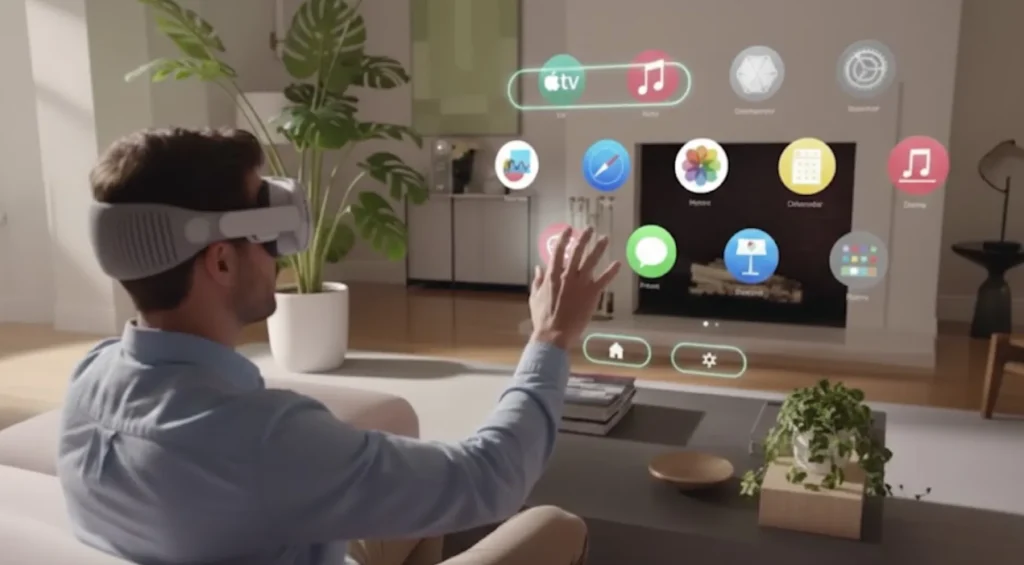
One of the most disruptive ui/ux design trends is the move beyond screens altogether. After decades of screen-first thinking, experience design is widening again, integrating physical context, spatial interaction, and environmental awareness rather than replacing them.
Kind of like fashion, it always comes back in style, but with a new twist.
With consumer adoption accelerating through companies like Meta and Apple’s ecosystem leadership, spatial and environment-aware interfaces are becoming part of everyday digital life.
Designers are now creating:
- Interfaces that exist around the user
- Gesture-based navigation
- Context-aware UI that adapts to physical environments
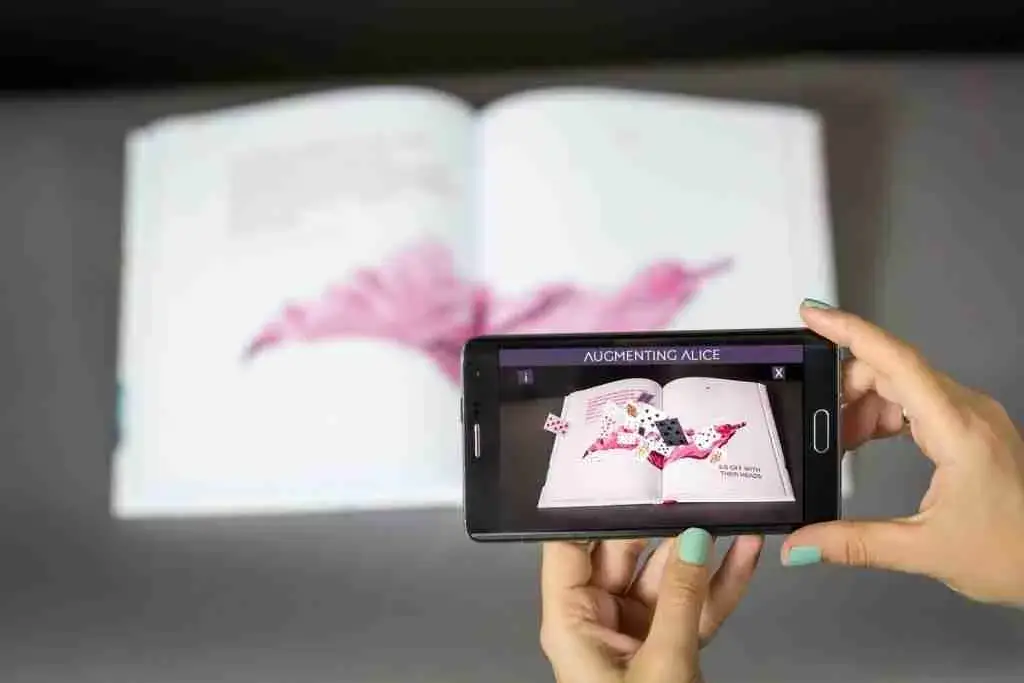
To design successfully in this new reality, teams need strategic UX systems, not just visuals. To design for spatial UX successfully, your design team needs to understand intent, context, and behavior at a systems level.
That’s why it’s more important than ever to hire teams that are big-picture thinkers and adaptable, not just “pixel-creators.”
Voice UX is no longer optional
Oh, how far we have come since Siri was introduced in 2011 and Alexa in 2014. Guess what? This article is currently being written partially through dictation to Wispr Flow.
Voice isn’t new, but it has officially graduated from “nice to have” to a primary interface layer. I’m not sure how much we’ll need to type in a few years’ time. Thanks to AI, voice interaction is now a lot faster than typing, more natural than menus, and pretty game-changing for multitasking environments.
This is one of the most underestimated ui/ux design trends today. Designing for voice requires a deep understanding of conversational flows, intent mapping, and multimodal interaction (voice + camera + gesture).
Don’t ignore voice UX in 2026 or push it to the back burner. If you have the opportunity to incorporate it, we recommend making it a priority. The technology is already there, so the effort is low. No custom builds necessary.
Glass UI evolves from aesthetic to system
Thanks to Apple, glass UI is back. Despite the controversy around Apple’s new push toward a glass UI, especially given the accessibility issues it raises, there is a scientific basis for it.
Modern glass UI is being used intentionally to reduce cognitive load and communicate hierarchy in a non-overwhelming way. And when Apple influences a design system like that, design tools like Figma publish libraries to support it, and designers start exploring its uses, turning it slowly into a functional UX pattern, not just a style trend.
This shift reflects a broader trend in UI/UX design in 2026: design patterns are finally being recognized as systems rather than embellishments.
Motion design becomes logic-driven
One of the fastest-growing UI/UX design trends is state-aware motion, where animations respond dynamically to user input and system logic. Motion design is becoming a prerequisite for behavioral feedback. People expect it, and are confused when they don’t see an animation, as if they’re not sure their action was successful.
Some examples include:
- Different animations for success vs failure
- Motion that communicates system status
- Feedback that replaces static error messages
Motion has become a really important UI communication layer. When done well, it reduces confusion, builds trust, and guides users without words.
Designing for humans and AI agents (they’re a tough crowd!)
Understand this, and you’re ahead of the curve.
Digital products now serve two users:
- Human users
- AI agents acting on their behalf
This dramatically changes UX (and marketing) priorities.
Clear information architecture, predictable logic, and semantic clarity are now UX fundamentals, critical for LLMs scanning your site to present information to people searching for your product or service.
This is one of the most important UI/UX design trends of 2026. UX is shifting upstream, toward intent, meaning, and systems.
“Less but better.”
One of our favorite books at The Growth UX Studio is Essentialism: The Disciplined Pursuit of Less, by Greg McKeown. We’ve replaced “minimalism” with “essentialism”, defining a product that feels essential and solves the most meaningful problems for users and customers. Others might call this immersion, and it’s a strategy and “design trend” that will help you win.
Across automotive, travel, entertainment, and luxury brands, full-height layouts are dominating 2026 UI/UX design trends because they:
- Support storytelling
- Increase engagement
- Prioritize emotion over efficiency
This UI/UX design trend reflects a shift from “clean, minimalistic UI” to a memorable experience. Users don’t just want another pretty UI; they want to feel something.
Grab your reading glasses; UX job titles are blurring (in a good way)
The role of the designer is expanding and titles are struggling to keep up.
Many companies are moving away from narrow UX labels toward broader roles such as Product Designer or Experience Designer. Adding something like “Principal” or “Staff” as a prefix. Why?
Because modern UX spans:
- Research and strategy
- Business alignment
- Systems thinking
- Interface design
This is a good sign, because it shows UX maturation. The most valuable designers in 2026 are the ones who can adapt their UX expertise and invaluable soft and leadership skills to any tool.
Deceptive design patterns are becoming a legal risk
Ethical UX is no longer optional.
Regulatory pressure has turned dark patterns into a business liability. One of the most important UI/UX design trends for 2026 is learning how to:
- Increase conversion ethically (Growth UX for the win!)
- Build trust instead of manipulation
- Design for long-term value
Ethical UX has become a brand signal. Your customers and users are smart. They recognize authenticity and honesty a mile away, and they especially stand out in AI-powered environments.
AI-native design roles are rising (but there’s a catch)
AI-focused design roles are exploding, but they’re not all created equal. Some companies want strategic designers who use AI to accelerate insight and iteration. Others want operators who simply generate output. The future belongs to designers who leverage AI to augment their design process and thinking, but never replace it, who anchor their decisions in a strong UX strategy, and who protect creativity and ethics.
AI has turned UX from a “nice-to-have” into a structural requirement for any company that wants to create a product people will want to use in the sea of AI-generated products.
UX is getting better because it has to
Here’s the most encouraging takeaway from all these UI/UX design trends:
UX itself as a discipline is improving.
AI has become a forcing function. Weak structure, vague logic, and sloppy flows won’t cut it anymore with today’s intelligent systems. It’s harder to hide today behind a pretty screen or interaction than it was just two or three years ago.
TL;DR: from screen to cumulative experience
We’re geared up and ready for the move from isolated interactions to understanding UX and CX as a cumulative experience. Every touchpoint is a stepping stone to the next, and we want to design them consistently, across devices, physical environments, channels, and agents acting on a user’s behalf.
Trust, friction, confusion, they’re all cumulative. This is where thoughtful, system-level UX work creates real, lasting value.
Key takeaways: UI/UX design trends for 2026
- UI/UX design trends are shifting from screens to environments
- Voice and multimodal interaction are becoming standard
- Motion design is now logic-driven and meaningful
- Designers must design for humans and AI systems
- Ethical UX is a business requirement, not a preference
- Speed and adaptability are now core UX skills
- UX is improving because AI makes bad UX impossible to ignore
Want help applying these UI/UX design trends?
If you’re ready to translate these ui/ux design trends into real, measurable product outcomes, explore Growth UX Studio’s UX and digital design services — at the intersection of strategy, systems, and human-centered design.
Need a UX partner who understands business and designs for growth?
Let’s talk—Contact us today.