
Let’s talk about a real, viable startup business plan template. Not the kind you’ll find that gives you cookie-cutter, not actionable advice. Because a lot of them gloss over the hardest parts of building a real business.
We believe that there has never been a better time to start your own business.
But we’re not going to sugarcoat it; it’s work. No, you likely cannot build an app next weekend that will make you $200k a year.
At The Growth UX Studio, we work with founders building products from zero to one—often self-funded, often while juggling full-time jobs, and navigating the same complexities lots of other humans navigate.
From experience, we’ve learned this:
Building a viable startup is not for the faint of heart. It can be incredibly rewarding, but it is demanding, humbling, and requires sustained effort. And we don’t believe founders benefit from having that reality sugarcoated.
This is our honest take on what a startup business plan template should actually include if your goal is to build something viable, differentiated, and worth investing in.
Why most startup business plan templates fall short
A traditional startup business plan template (pre-AI, for argument’s sake) was designed to get you to funding. Build a great deck that tells the story you need, shows the growth model, the North Star product vision, etc. Everything your investor wants to know. Market size, revenue projections, feature roadmaps, optimistic assumptions, etc. That is all great and needed, but the easier (and faster) AI is making prototyping possible, the more important it is to address strategy and how you plan to stand out as early as possible. You MUST be able to answer these questions:
- Is this actually needed?
- Who is it (really) for?
- Why will anyone choose this over what already exists?
- What makes this product meaningfully different?
A truly useful startup business plan template is the path to defining the process and tools you’ll need to answer all these questions and create a meaningful, sustainable product and business.
Start with UX. Is what you’re building actually needed? What problem(s) does it solve?
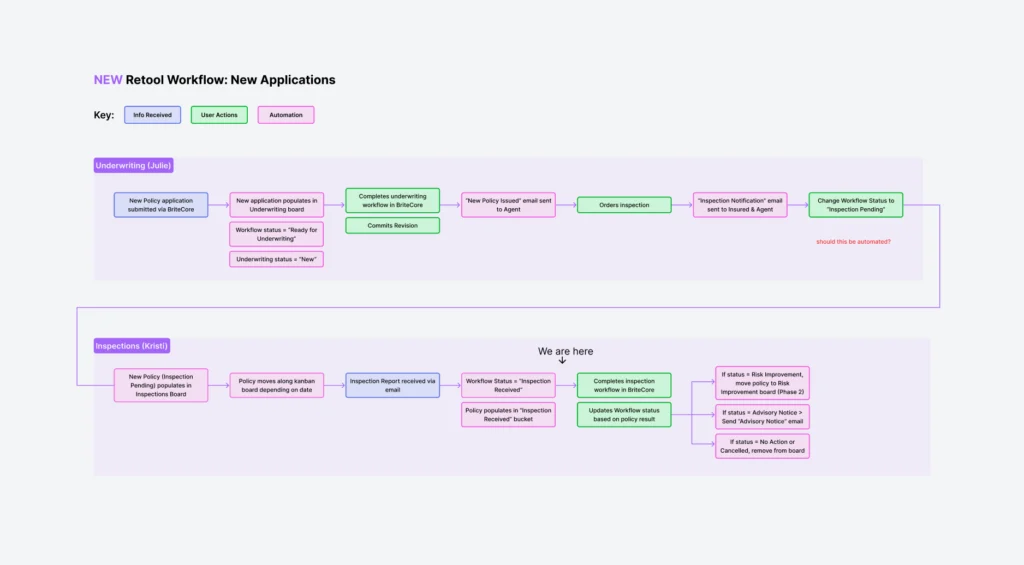
People buy things and use products to save them pain.
Before you define features, technology, or timelines, your startup business plan template should force you to answer a fundamental question:
Is this solving a real problem for real people?
From a UX strategy perspective, this means:
- Understanding user pain points
- Identifying unmet needs
- Observing existing behaviors
- Recognizing what users already tolerate (and why)
- …and solving the problem better than anyone else
Skipping UX strategy is one of the fastest ways to build a product that technically works and quietly fails.
2026: The year of breaking out of sameness
Yes, your startup business plan template should include market research. But not just to prove the market is “big enough.”
What matters more is:
- How crowded the space already is
- Why existing products feel interchangeable
- Where competitors over-optimize and under-deliver
- What users complain about repeatedly
Today, speed alone is no longer a moat. With AI and no-code tools, many products can be replicated quickly. If someone else can build something similar in a week or two, the differentiation was never the technology.
Your plan should clearly articulate:
- Why most products in your space look the same
- What you will intentionally do differently
- How users will feel that difference
Define an MVP that people want to use
“MVP” is one of the most misunderstood concepts in startups.
A minimum viable product is not a half-finished prototype
A real MVP is a usable, working product that your customers and users can easily adopt and use, and then give you meaningful feedback so you can iterate and create something super user-centric and custom.
Your startup business plan template should help you define:
- The smallest version of the product that delivers real value
- What users can accomplish on day one
- What intentionally does not belong in version one (while documenting ideas and feedback for version two)
The best way to learn what actually matters to people is to watch them use it in their own environment.
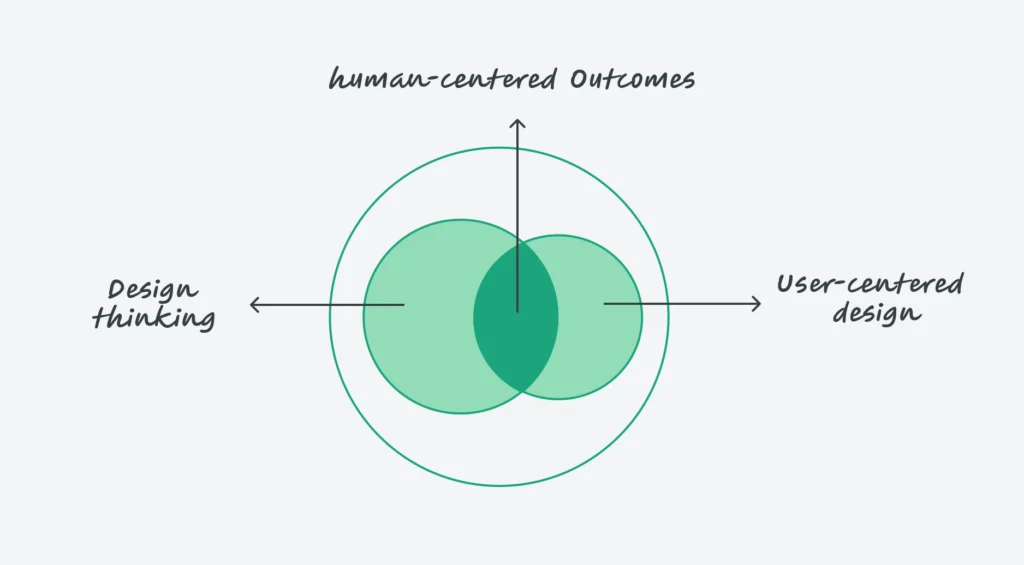
Mindset shift from MVP to MLP (minimum lovable product)
There’s a concept we strongly agree with: the minimum lovable product. Created and coined by Brian de Haaff, the idea is that products need to resonate emotionally, not just function technically. He published his book,” Lovability: How to Build a Business That People Love and Be Happy Doing it in 2017, and the thinking behind it has only become more relevant with time, especially in an era where speed, automation, and AI make it easy to ship something quickly, but much harder to ship something people genuinely care about.
In that context, a startup business plan template shouldn’t stop at defining what a product does. It should force founders to articulate how the product will feel to use and why someone would choose it over the dozens of near-identical alternatives already on the market.
To build a “lovable” product, you need to ask yourself these questions:
- What will users enjoy about this?
- What will feel intuitive or thoughtful?
- What will earn trust quickly?
In short, great UX, user experience, is lovability. And today, lovability is your differentiation, your moat.
A spicy but necessary take: pay your professionals
Founders, we love your drive, hope, and vision. But get ready for some “tough love” we’re about to dish out for you.
Every founder dreams of finding people who believe in their dream from the get-go and want to partner with them to build it. Wouldn’t it be great to find the most brilliant designer to join as a founding partner?A developer who will build everything for equity? A team that will work for you nights and weekends?
Those scenarios exist—but they are usually very rare, mutual, and immediately obvious to everyone involved.
From a designer’s perspective, being approached as a “founding partner” often means being asked to:
- Work unpaid
- Take on execution risk
- Delay income indefinitely, sometimes for years
In practice, you’re asking them to be an investor. A helpful question to ask yourself is:
Is your company ready for an investor? If a designer had $10,000 to invest today, would they invest it in your company?
Because that’s effectively what you’re asking them to do by loaning you their time.
A responsible startup business plan template should include real investment decisions. That might mean:
- paying designers and strategists
- starting smaller
- narrowing scope
- making intentional tradeoffs
There’s also a psychological component here. When founders invest their own money, decision-making improves. The same way paying for your own gym membership increases commitment, paying for professional work creates clarity, accountability, and momentum.
Use AI to shorten the journey, not skip the thinking
Used well, AI can:
- accelerate research
- speed up iteration
- generate early drafts
- reduce execution time
What AI cannot replace is:
- strategic judgment
- nuanced UX decisions
- qualitative insight
- lived experience with users
A strong startup business plan template should explicitly plan for:
- where AI saves time and cost
- where human expertise is non-negotiable
The healthiest mindset we see is:
“I want to pay for expertise. How do we use tools and AI to get the best possible outcome for the budget I have?”
That approach leads to MUCH better products and better partnerships.
Your involvement as the founder is not optional
Here’s another hard truth learned through experience:
You cannot outsource being a founder. And this is especially true in today’s competitive landscape.
We’ve worked with both kinds of founders—those who are deeply involved, and those who aren’t. The founders who show up consistently often do so while holding full-time jobs, carving out nights and weekends to make decisions, review work, test assumptions, and iterate alongside their teams.
One greenfield product we designed and built from 0-1 took about a year to complete. Just months after launch, it was being shown to major players, including Fortune 500–level companies. Cheering them on and celebrating their first major contract remains one of the most meaningful moments we’ve experienced as a team.
On the flip side, we’ve also worked with startups where founders were disengaged. Those projects:
- took (a lot) longer
- cost more
- suffered from indecision
- produced weaker outcomes
A startup business plan template should assume your full involvement, not your replacement. Today, having the idea is not enough. You have to invest money and time in executing it.
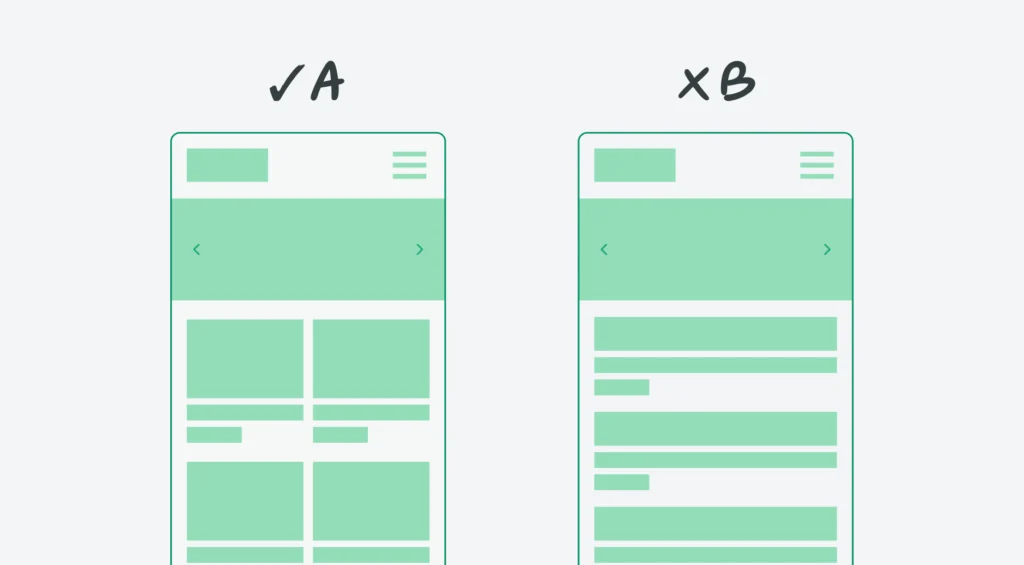
Build a moat through learning and iteration
Early-stage moats rarely come from technology alone. They come from speed of learning, depth of user understanding, quality of iteration, and clarity of decision-making
Plan how you’ll collect feedback and act on it. Don’t panic when negative feedback comes in, and don’t assume every comment needs to drive a change. Define how you’ll measure early success, because building a startup is a journey and celebrating small wins is what will keep you and your team motivated and excited to move forward.
Commitment matters more than templates
Entrepreneurs like Andrew Wilkinson have written candidly about how meaningful businesses are built through sustained commitment, not dabbling. Progress tends to show up only after the work stops feeling optional. In short, you have to show up.
A good startup business plan template should include all the ways you will be investing in the business: financially, physically (with your time), and emotionally.
AI can’t replace any of that.
TL;DR
Forget about a startup business plan template with a meaningless checklist. If you want to build a real business, you need a startup business template that will prepare you for the realities of building—what it demands of your time, your judgment, and your commitment.
That includes everything we talked about here
- validating real user needs
- defining MVPs people can actually use
- investing in quality work, not shortcuts
- staying actively involved in decisions
- iterating with intention, not panic
Like most things worth building, creating something truly viable takes effort, focus, and patience, but the payoff can be incredibly rewarding. The technical approach will always depend on your project and budget. Have an idea you’re excited about? Get in touch! We’d love to help you bring it to life.
Need a UX partner who understands business and designs for growth?
Let’s talk—Contact us today.