

Building infrastructure for religious authority and trust
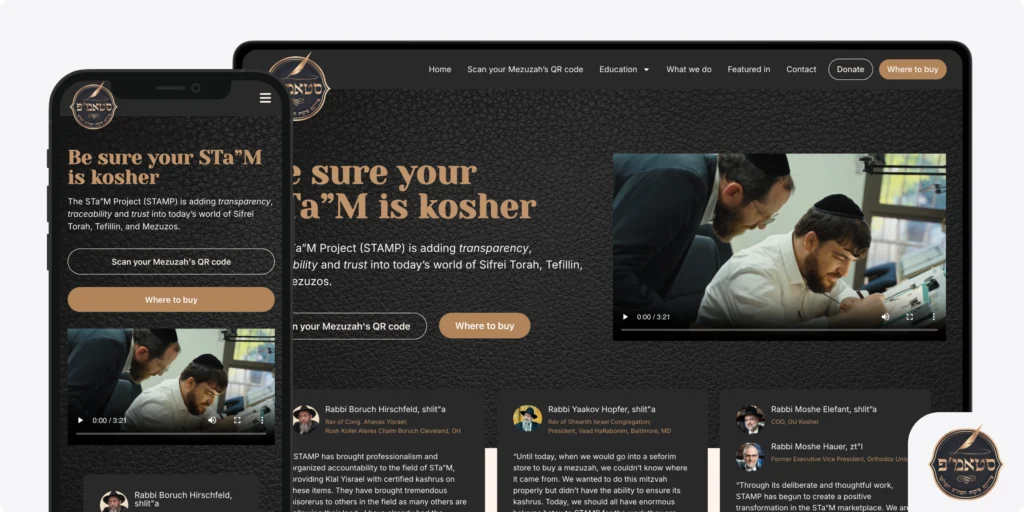
STAMP (The STa”M Project) is a nonprofit organization working at the intersection of halachic (Jewish law) precision and modern accountability. Its mission is to bring transparency, traceability, and consistent standards to the world of STa”M — sacred Jewish ritual items such as Sifrei Torah, tefillin, and mezuzos.
What began as a request for a visual refresh became something much larger. As we examined the organization’s trajectory, it became clear that STAMP was not in need of aesthetic refinement. It needed structural reinforcement. Its authority was growing. Its responsibility was increasing. And its digital presence had not yet caught up.
This project was not about redesigning a website.
It was about building institutional infrastructure capable of supporting trust at scale.
The Organization and the problem it set out to solve
STa”M items are not symbolic artifacts. They are functional instruments of mitzvah observance, governed by detailed halachic standards that determine their validity. The formation of a single letter, the preparation of parchment, the consistency of ink, and the thoroughness of review can all determine whether an item is kosher, mehudar, or invalid.
For generations, the STa”M marketplace operated primarily on personal trust. Families purchased mezuzos for their homes. Young men received tefillin. Communities commissioned Torah scrolls. Yet most consumers had little visibility into who wrote their item, who checked it, how many times it was reviewed, or whether it met consistent halachic standards. Quality varied widely, and verification was often inaccessible to the average buyer.
Unlike kosher food certification — where structured oversight provides visible assurance — the STa”M world lacked unified, transparent systems that allowed trust to be confirmed rather than assumed.
STAMP was created to address that gap.
Working in partnership with the Orthodox Union and other rabbinic authorities, STAMP introduced structured certification processes, layered review systems, and traceability mechanisms that allow owners to verify the authenticity and status of their sacred items. Each certified piece undergoes independent professional review, computer-assisted checking, and documented oversight before receiving a unique identification number and QR-based verification record.
But STAMP’s mission extends beyond certification. It includes education, professional training, and raising industry-wide standards — strengthening both consumer confidence and the livelihoods of trained sofrim and magi’im.
Its purpose is clear:
To make religious trust visible.
From training wheels to mountain bike: When a not-for-profit outgrows it’s first website 🌱
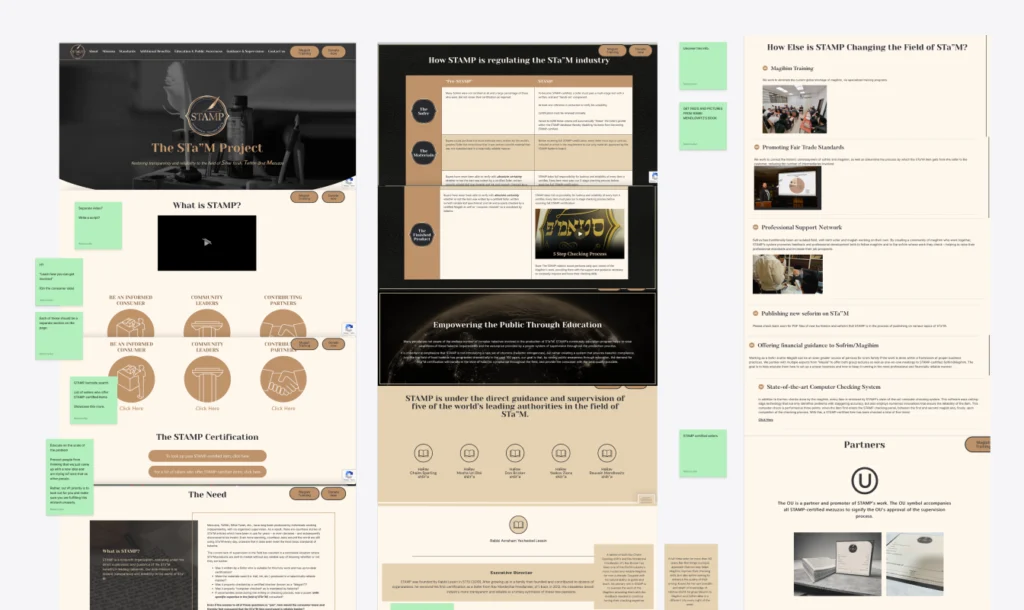
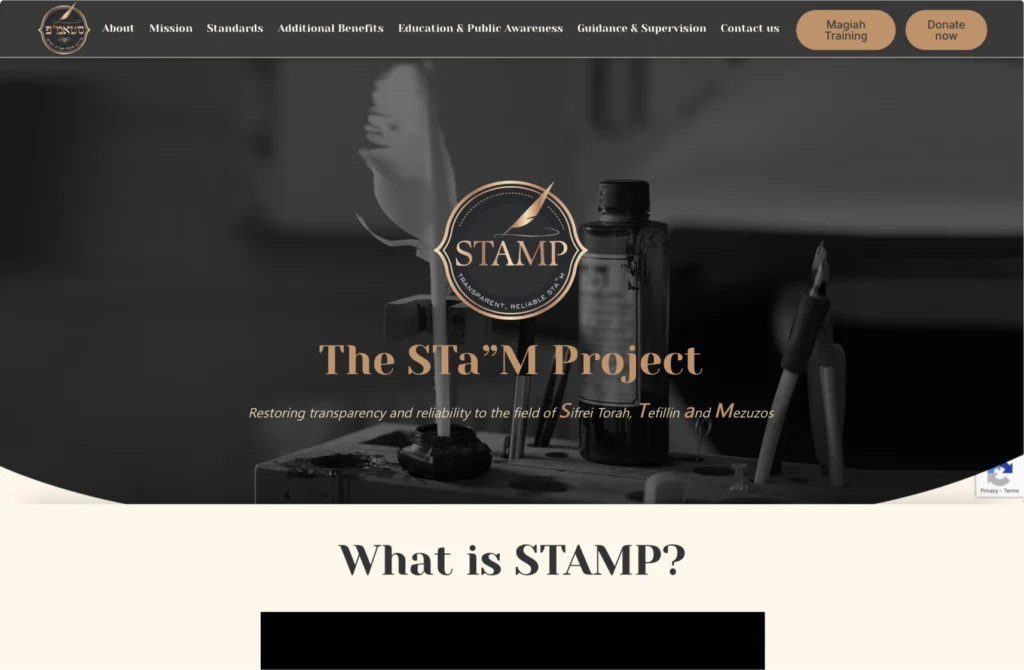
STAMP’s first website was mostly informational – a one-page lander in magazine format to communicate STAMP’s mission.
At an early stage, this structure made sense. It introduced the organization and explained its purpose succinctly. But as awareness expanded and partnerships deepened, the limitations became increasingly evident.
Multiple and different user groups were arriving with distinct intentions. Someone looking to check their mezuzah’s certification does not navigate like someone looking to buy a mezuzah or like a professional pursuing certification. A donor does not require the same information as a magiah enrolling in advanced training. Yet all of them were sharing the same linear experience.
At the same time, core systems to the business like verification, educational content, payments, and communications were mostly externally hosted in Google Drives, loosely connected and manually managed. The current digital infrastructure was not doing what it could to support STAMP’s growth, especially with opportunities to automate a lot of these business functions.
STAMP had proven it was solving a real and meaningful problem for the observant Jewish community and was becoming a trusted authority in the space, and it became clear that their digital presence needed to reflect that professionalism while supporting the new features and initiatives they were scaling.
The Strategy: “Sharpening the axe” with content strategy first
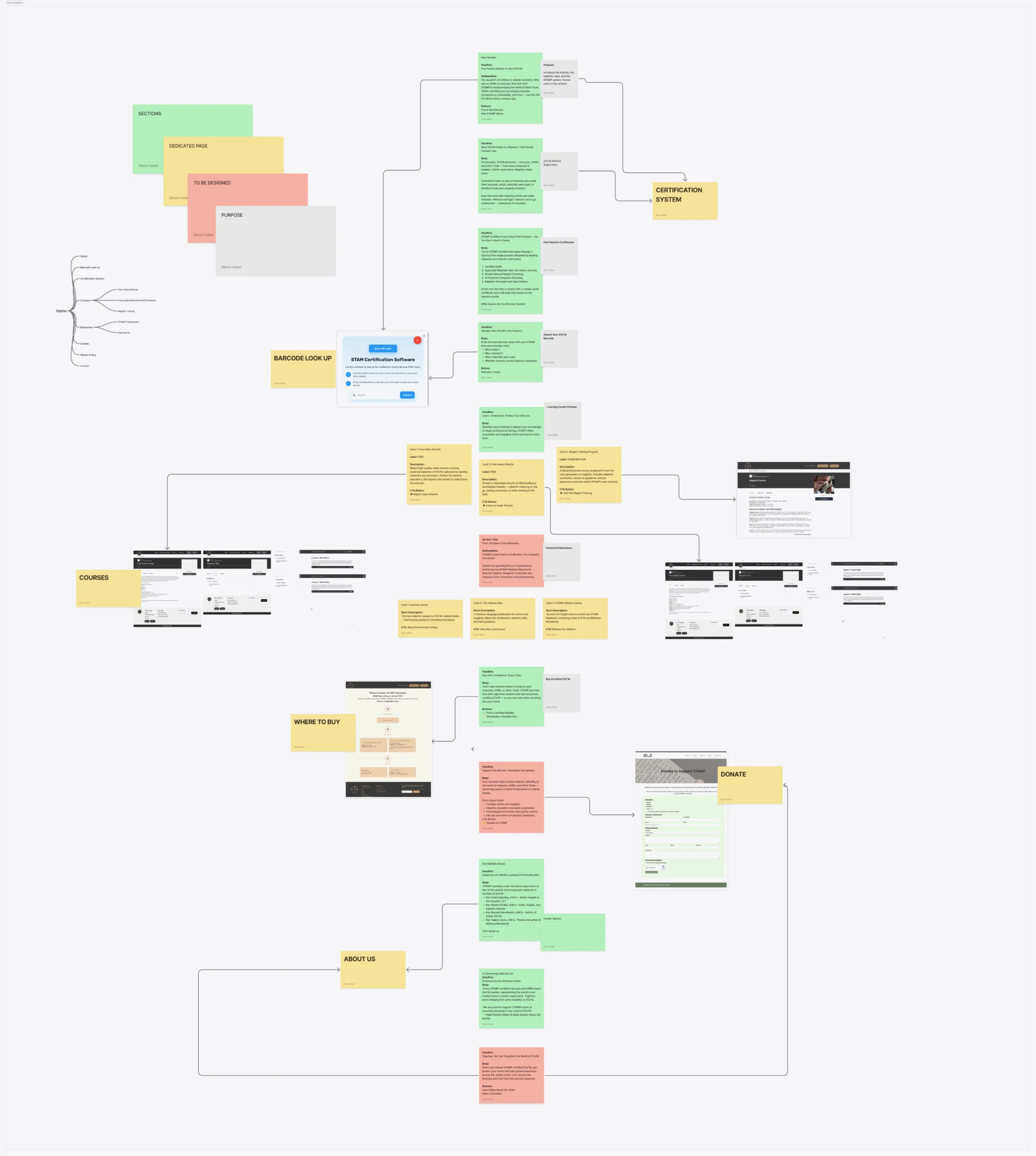
Since STAMP serves multiple audiences with fundamentally different motivations, we started out by understanding the organization’s goals for each user, and what each user base wanted to accomplish on the site.
We mapped core audience types and defined their primary goals. From there, we clarified value propositions specific to each group – reassurance for consumers, credibility and growth for professionals, visibility without endorsement for sellers, and transparency of mission for donors. Rather than blending these messages into one continuous explanation, we designed distinct pathways that guide users based on intent.
This repositioning also required a shift in tone. STAMP could not present itself merely as a helpful initiative. It needed to communicate stability, consistency, and institutional maturity. We refined STAMP’s content strategy and messaging to emphasize structure, oversight, and standards without implying criticism of the broader industry.
The outcome of this strategic phase was a decision to move from a page-based presence to a platform-based system — one built around defined silos, clear navigation logic, and scalable infrastructure. Every subsequent design and technical decision flowed from this foundational reframing.
“Design is so simple, that’s why it’s so complicated.” Hierarchy, navigation, and scalability
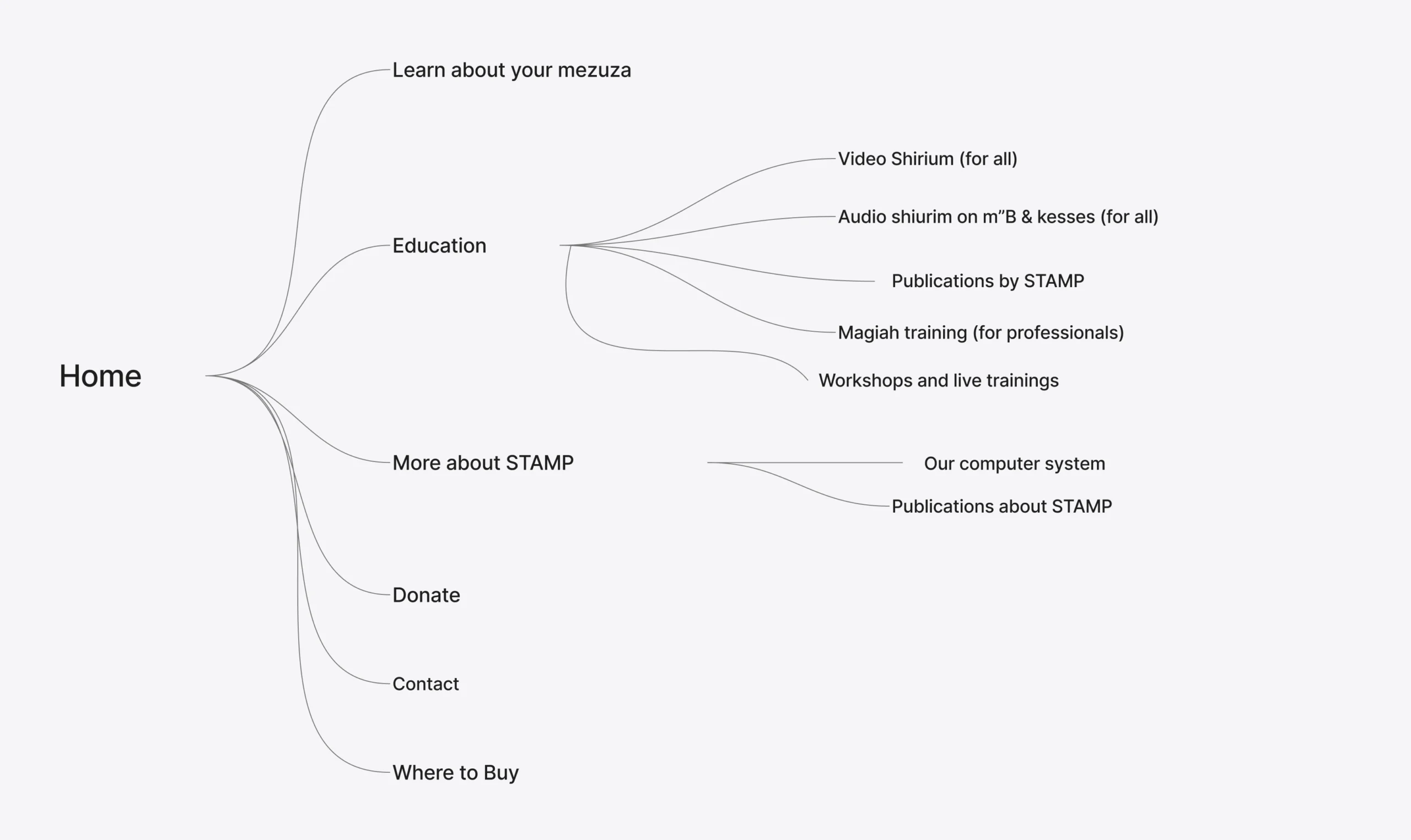
With strategic clarity established, we translated intent into architecture.
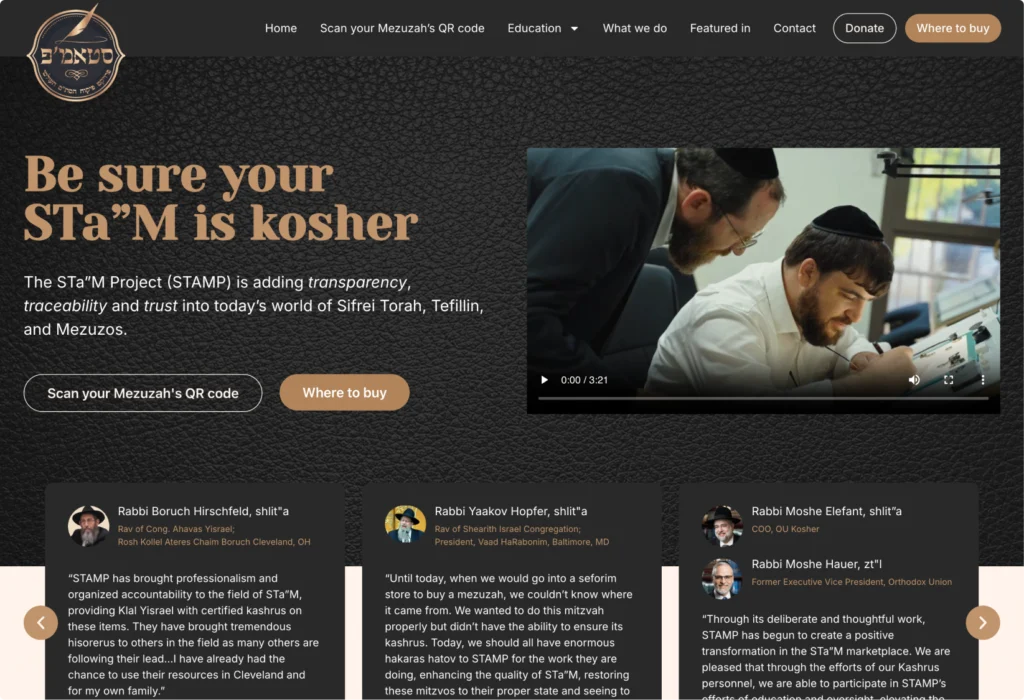
The single-scroll layout was replaced with a structured multi-page system organized around clearly defined categories:
- Education
- Item verification
- Professional training
- Certified (external) sellers
- Organizational Information
Each area was given its own landing environment, allowing content to expand without competing for attention.
We wanted people to look at the page and immediately understand everything they’ll be able to accomplish on the website. Sticky navigation became a critical trust signal. Clear hierarchy communicates stability.
Predictable structure reduces cognitive load. Rather than relying on long-scroll persuasion, the new architecture allows users to locate what they need quickly, wherever they are during the discover journey, with minimal friction.
We also implemented internal linking patterns that reinforce topical relationships between sections without forcing irrelevant content into view.
Behind the scenes, the CMS was restructured to support growth, with content types, templates, and administrative workflows. The system was built not only to serve present needs but to accommodate expansion without architectural strain.
Learning management system for paid professional Magiah training and free community content
The Education Hub is organized to clearly distinguish between open-access learning to paid professional certification while keeping everything unified within a single LMS environment.
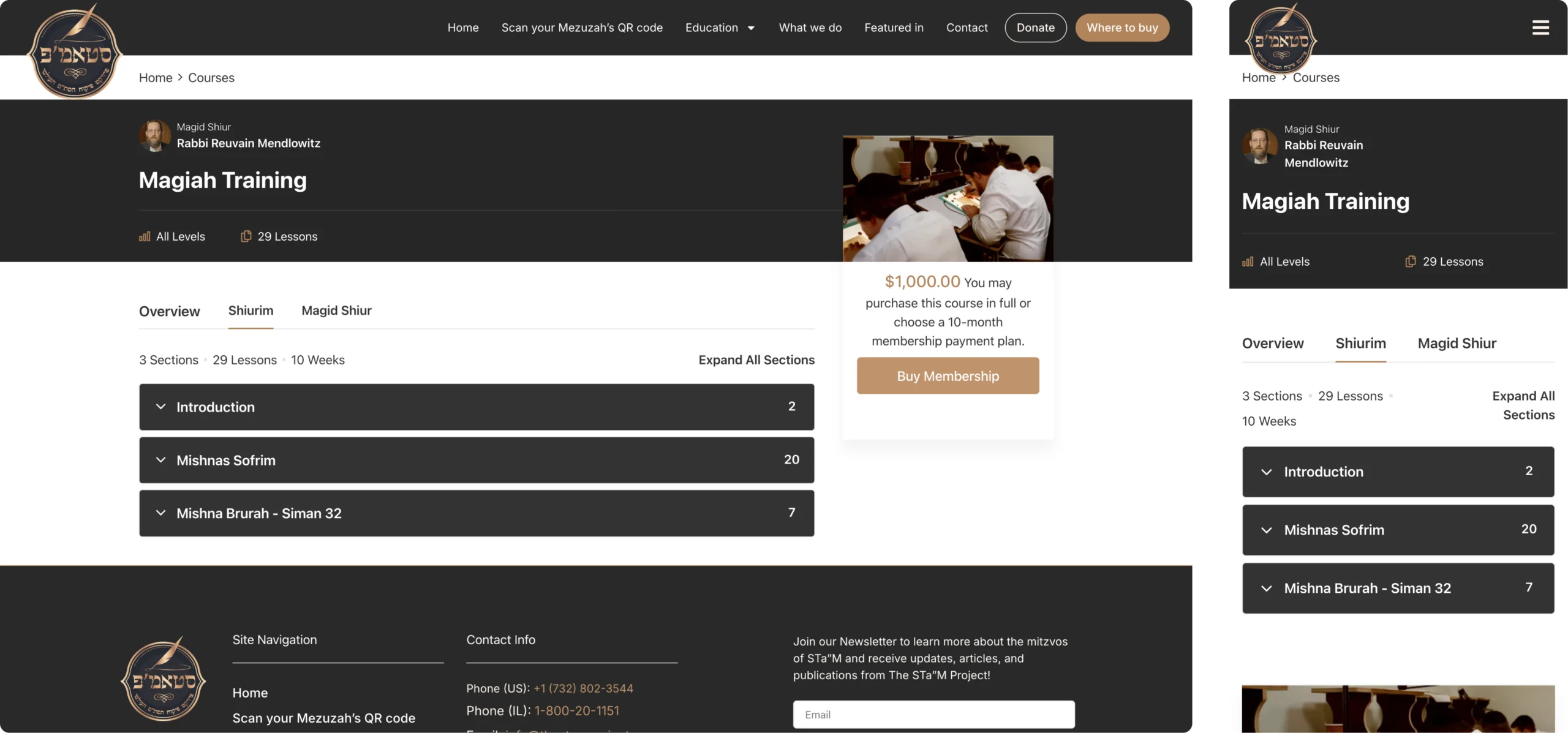
The free audio shiurim are positioned as the entry point into the ecosystem. These courses are accessible upon account creation and are presented within the main course library under a clearly labeled “Free Learning” category.
This section functions as an open gateway, allowing users to engage with foundational halachic content without payment, while still benefiting from structured lesson sequencing and progress tracking.
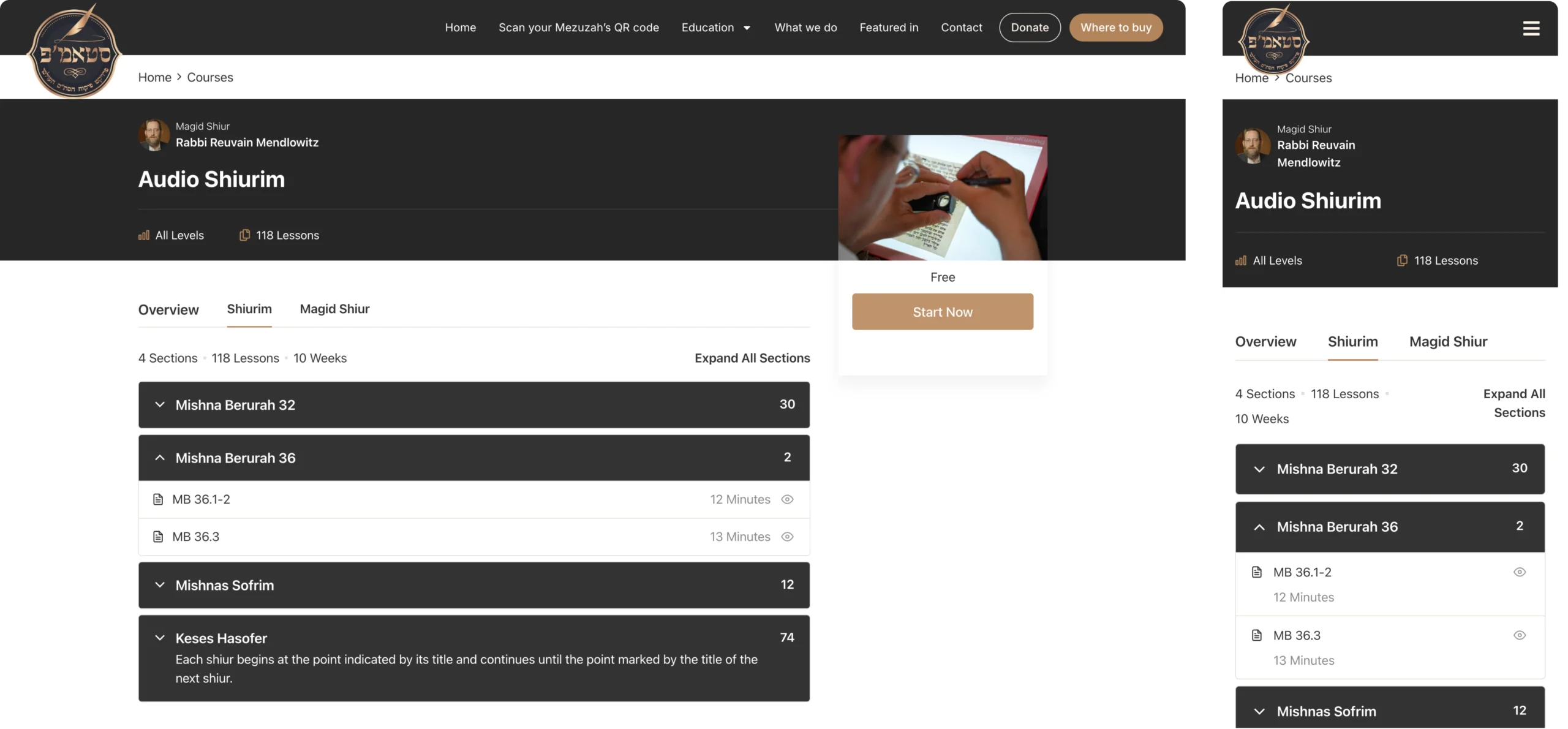
The professional magiah training program is presented as a distinct tier within the same LMS framework. It appears within the course library as a gated, enrollment-based pathway.
Upon successful registration and payment, users gain access to structured modules, lesson progression, and professional-level materials. The separation between free and paid tiers is visually clear, but both exist within the same unified learning system to reinforce continuity.
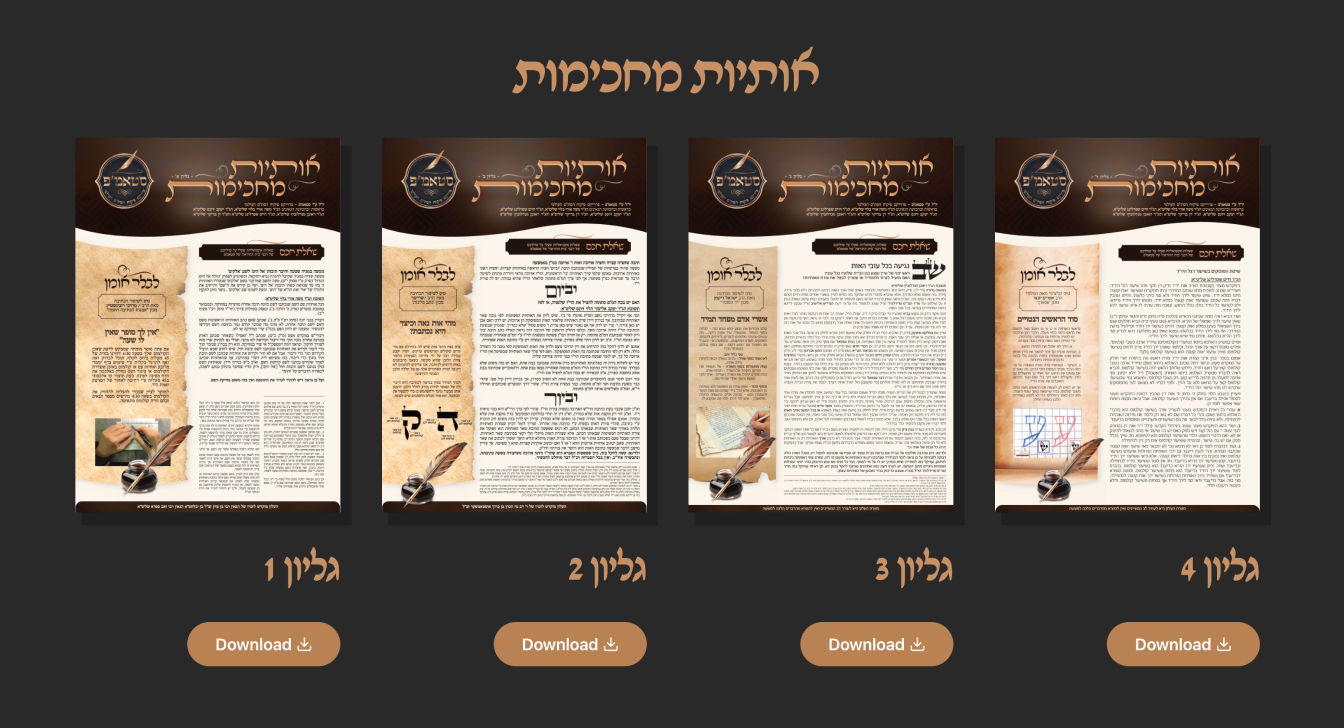
Downloadable editions of are housed within a dedicated resource section inside the Education Hub. These PDF publications are organized chronologically and accessible through the user dashboard, allowing professionals to reference archived issues without navigating away from the platform.
This section functions as an academic archive rather than a course, supporting ongoing professional development.
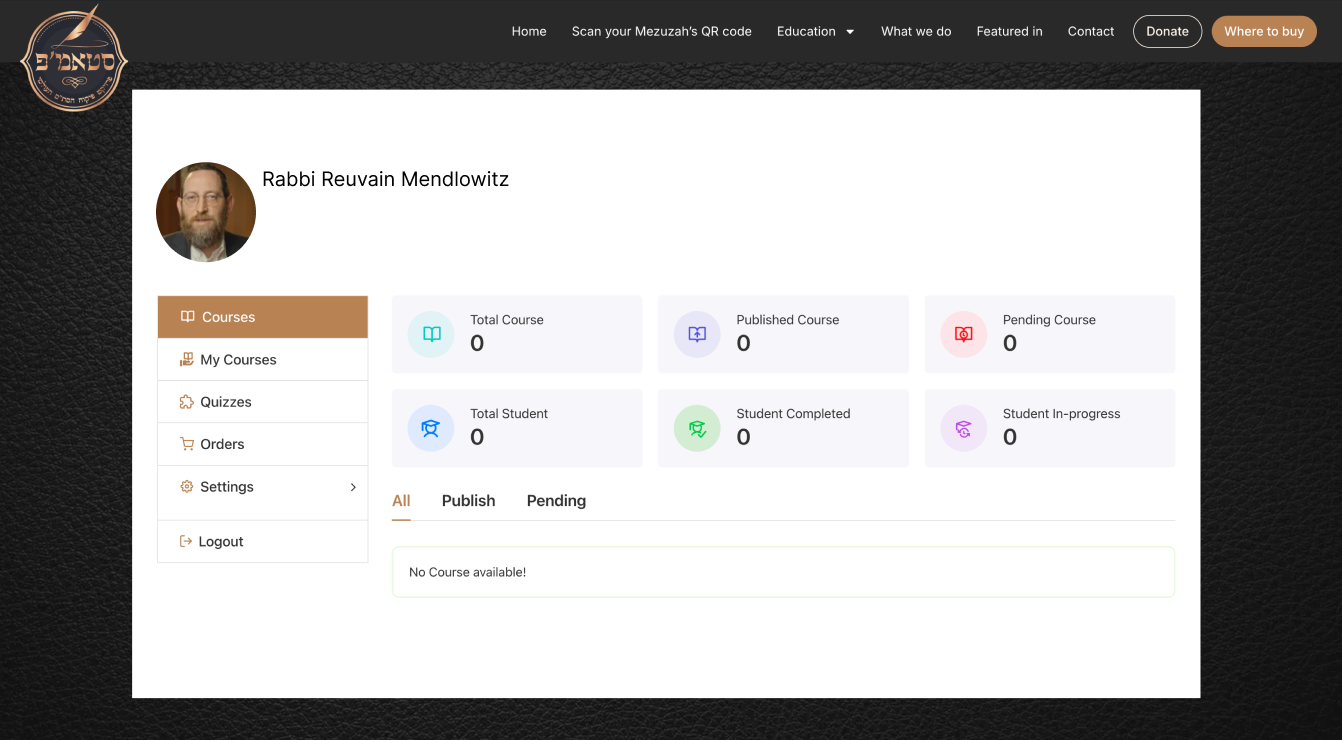
Each registered user has access to a personalized dashboard where active courses, lesson completion status, and enrollment history are visible.
From this dashboard, users can resume in-progress lessons, review completed modules, and access downloadable resources associated with their enrolled programs. The dashboard serves as the central control center for all educational interaction within the platform.
Learning management system for paid professional Magiah training and free community content
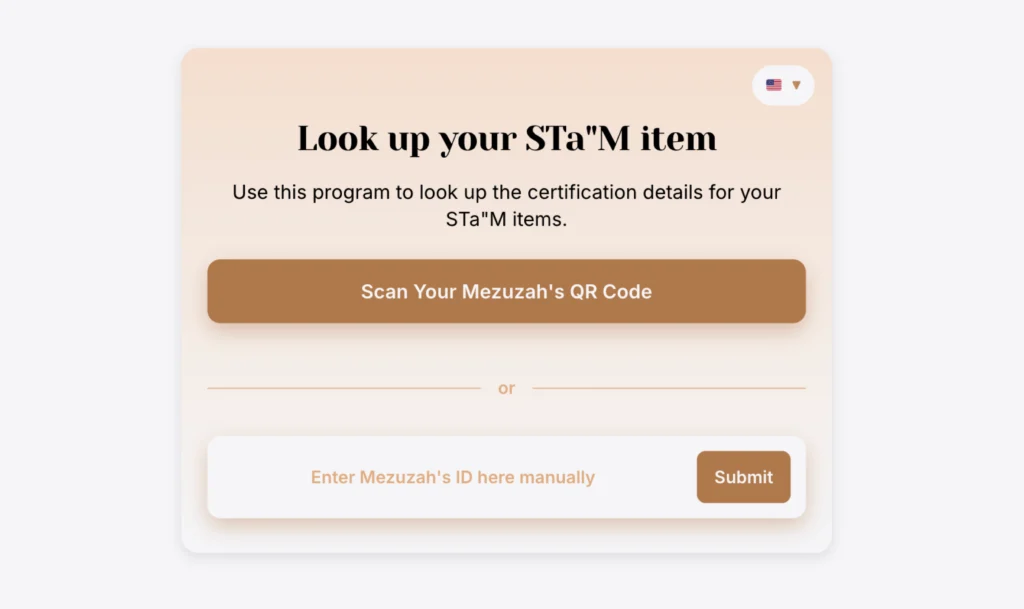
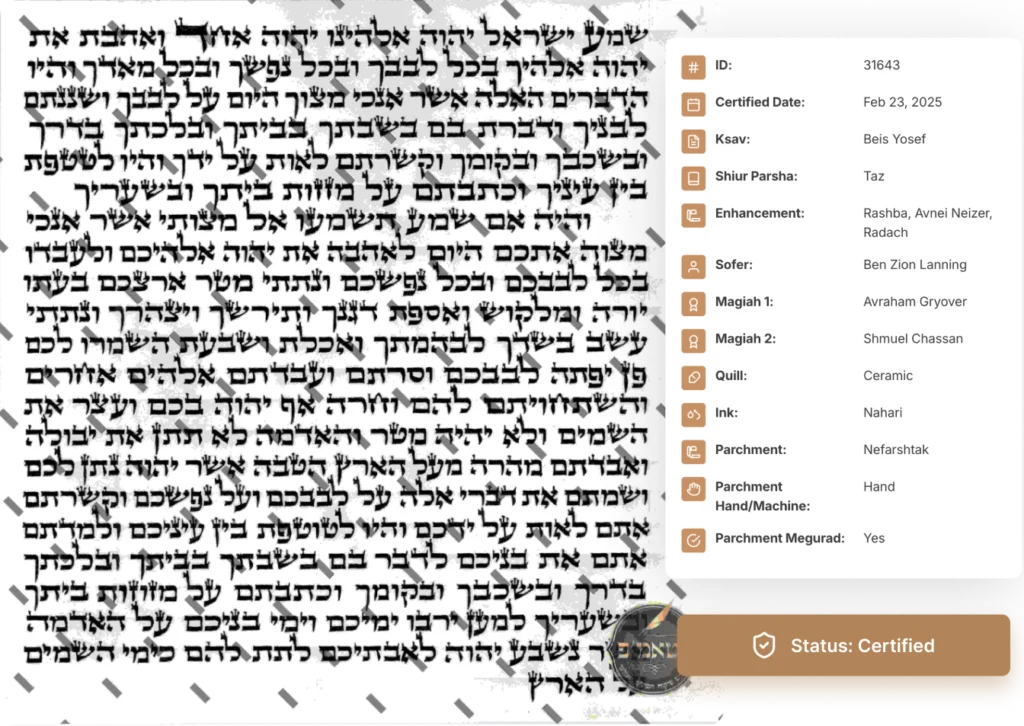
Previously, when someone wanted to verify a mezuzah, they were sent to an external app, which worked but felt disconnected from the rest of the experience.
We redesigned this flow and developed a custom WordPress plugin on the site so verification now happens directly on STAMP’s site without needing to leave.
Behind the scenes, the verification tool connects directly to STAMP’s certification database, allowing documentation, certification status, and traceability records to surface instantly in a structured, trustworthy format.
Connecting buyers and trusted STa”M sellers and creating transparency in the marketplace
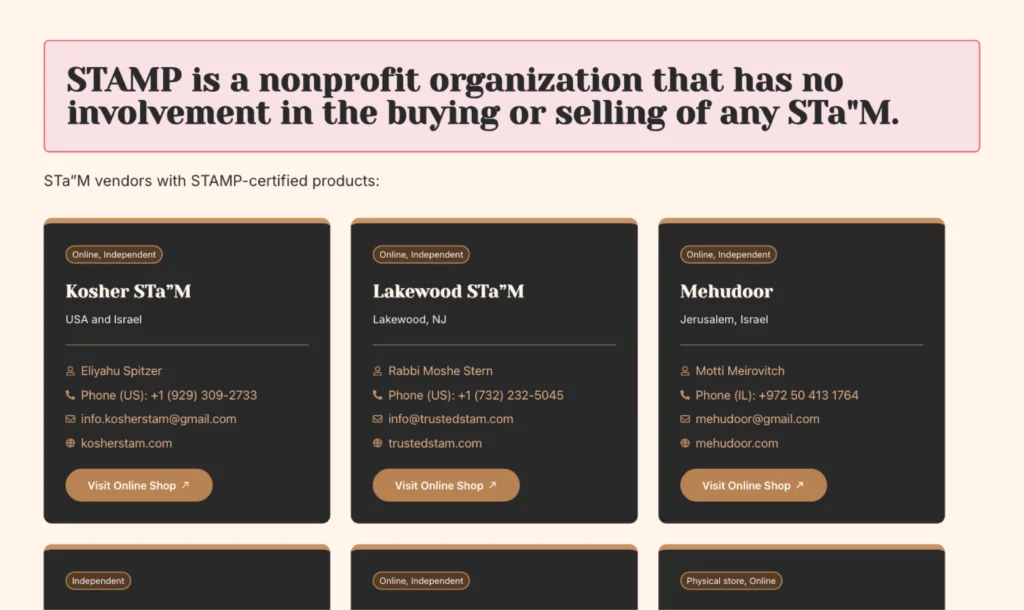
So once a consumer understands the value of certified STa”M, where can they purchase it?
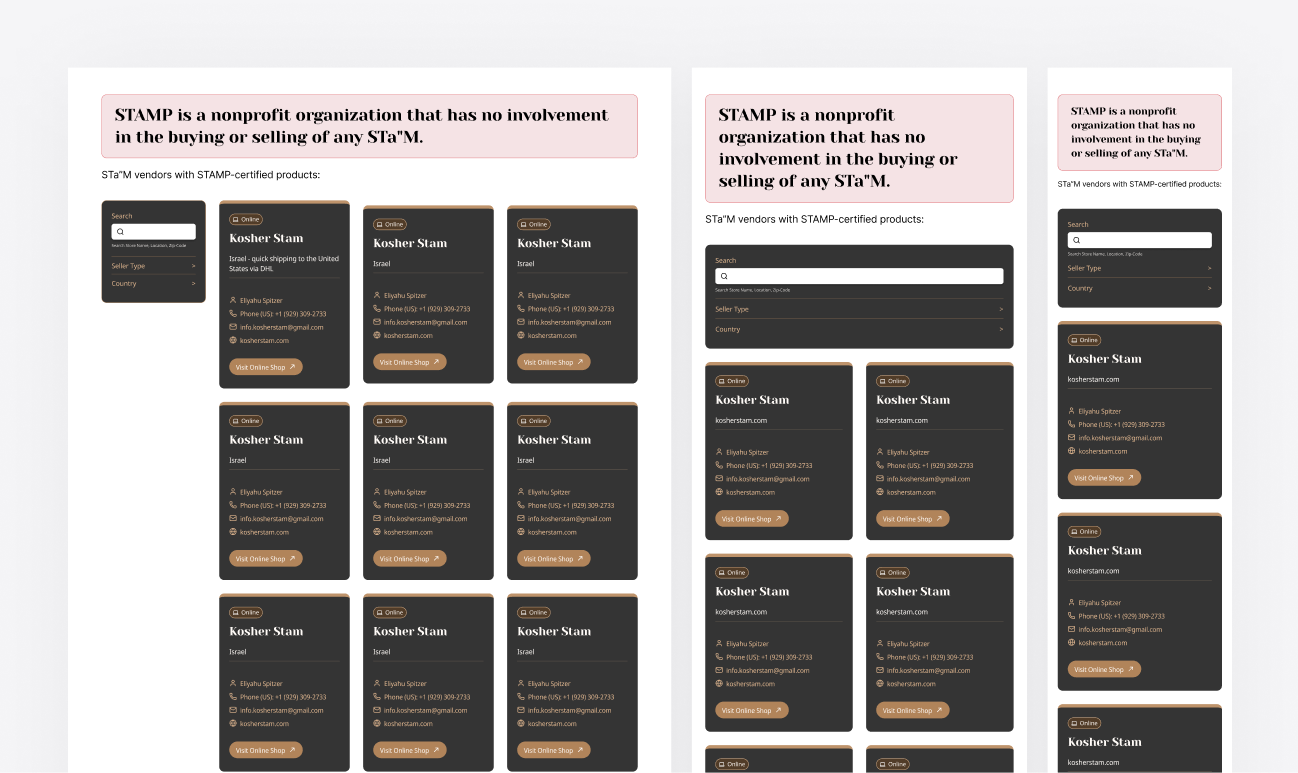
STAMP’s seller listings exist purely as a service to the community. The organization does not profit from the sale of STa”M items. Instead, the goal is to create transparency for buyers while supporting the professional sellers who are committed to offering properly certified products.
These listings benefit both sides of the ecosystem. For customers, they provide a trusted starting point when looking to purchase mezuzahs or other STa”M items from legitimate, licensed businesses. For sellers, they offer visibility and credibility within a marketplace that has historically lacked clear standards.
In the STa”M world, it’s not uncommon for individuals to sell items without operating a licensed business. STAMP is working to elevate professional standards in the field by supporting businesses that commit to selling properly certified STa”M. In addition to certification oversight, STAMP provides guidance, professional development, and increased visibility for these sellers.
By listing sellers on the site and investing in search visibility (SEO and AEO), STAMP helps ensure that customers who are actively looking to buy STa”M products can more easily find trustworthy sources.
We introduced geographic and category filter functionality so customers can shop by location, (other facet), (other facet) and added tags for online or in-person so people can decide how they’d like to shop.
On the backend, we developed management tools to allow easy updates and administrative oversight without manual bottlenecks.
Operational Infrastructure
While the front-facing transformation was significant, one of the most consequential shifts occurred operationally.
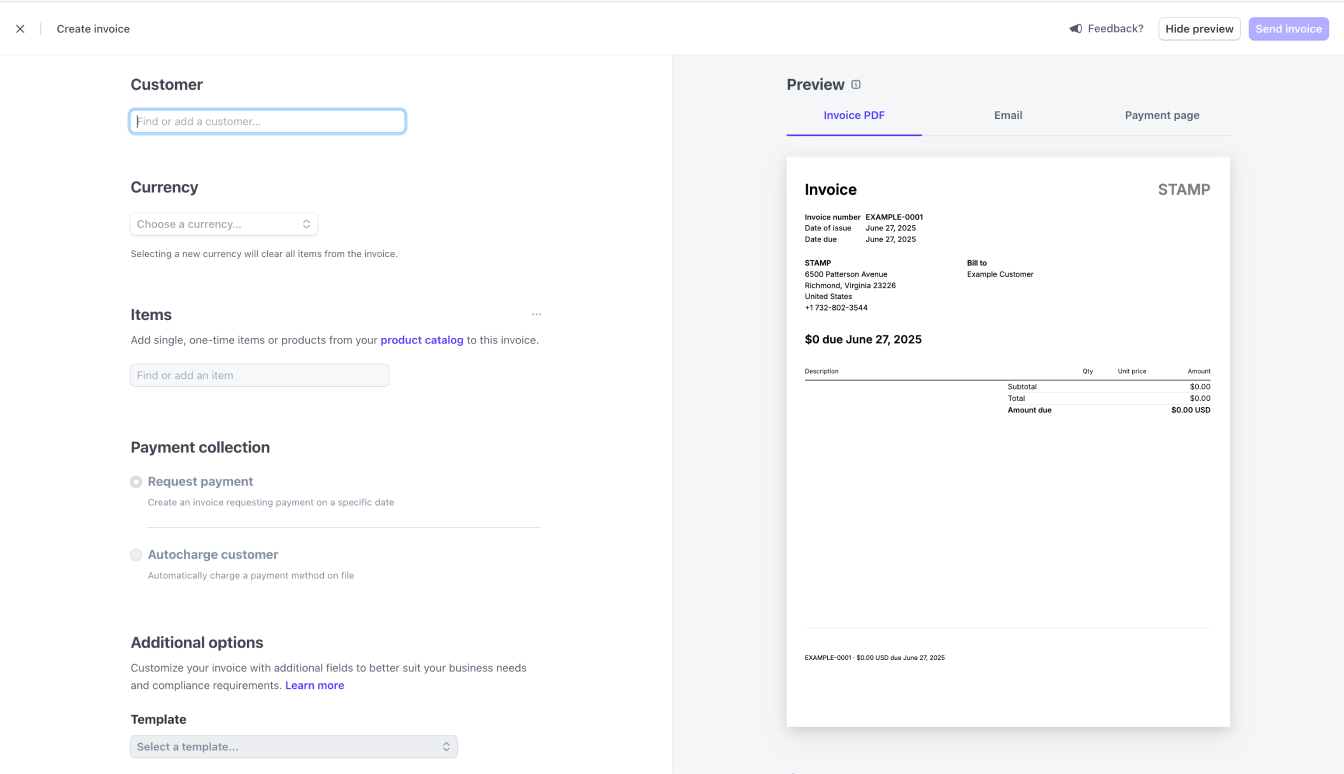
As STAMP matured, parts of its systems remained loosely connected or partially dependent on external administrative structures. Payment handling required oversight. Course enrollment demanded manual processes. Communication systems were not fully formalized. Growth was occurring, but the operational backbone had not yet been optimized for scale.
We restructured internal workflows to support autonomy and long-term stability.
Payment systems were fully integrated and automated. Administrative roles were defined with structured permission layers. Communication flows were streamlined. Backend logic reduced manual intervention and clarified internal governance.
This work is rarely visible to end users, but it is essential to institutional maturity. Certification and education require consistency. Consistency requires systems that function reliably without constant oversight.
STAMP now operates with operational clarity that mirrors its public-facing authority.
Infrastructure is not only what users see.
It is what allows them to trust what they don’t see.
Ecosystem Expansion — Designing the Future: Find a Magiah
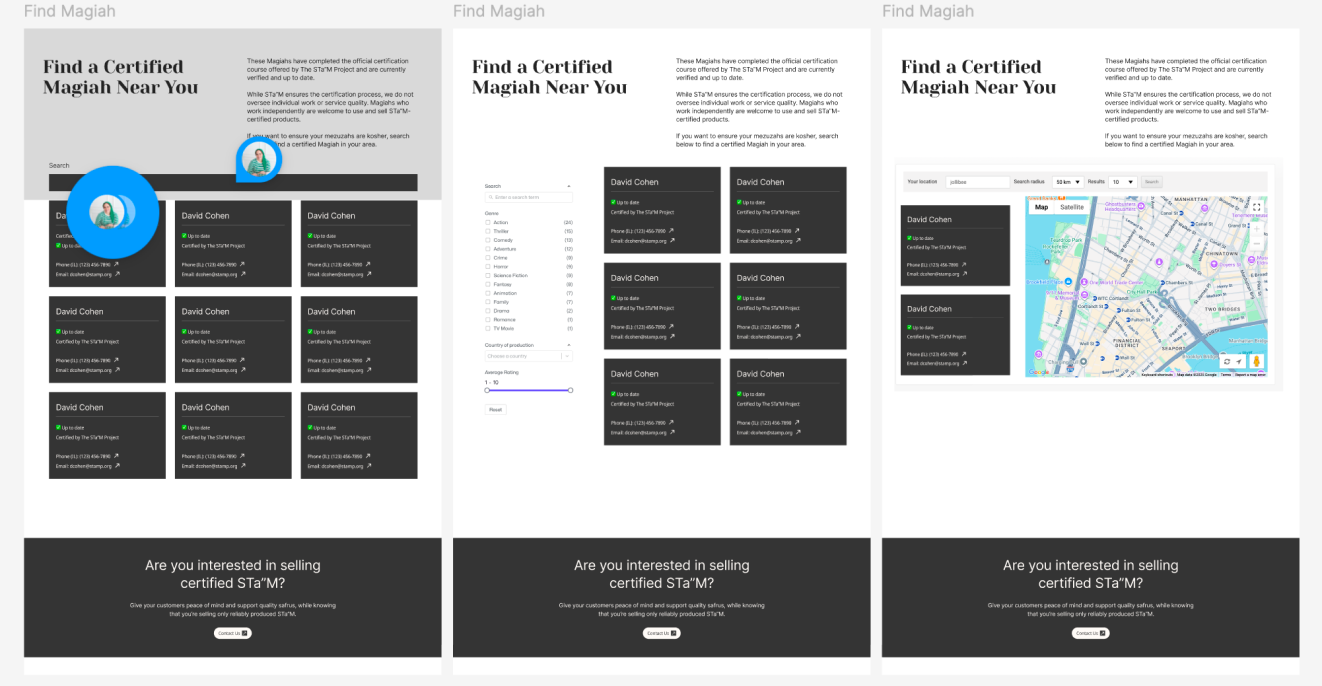
With structured education, formalized certification, and organized seller visibility in place, the next natural progression emerged.
What happens after professional training?
If STAMP is investing in building qualified magi’im, how do those professionals connect with communities seeking their services? How does the ecosystem remain continuous rather than fragmented?
The forthcoming “Find a Magiah” initiative addresses that continuity.
This directory is designed to create a bridge between training and livelihood. Graduates gain structured visibility. Communities gain access to qualified professionals aligned with consistent standards. The pathway from education to professional opportunity becomes intentional rather than incidental.
We are mapping validation criteria, trust indicators, profile architecture, and location-based logic to ensure the system maintains credibility while supporting professional growth.
This expansion reflects the broader philosophy behind the platform:
STAMP is not building isolated features.
It is building a connected ecosystem.
Approved design
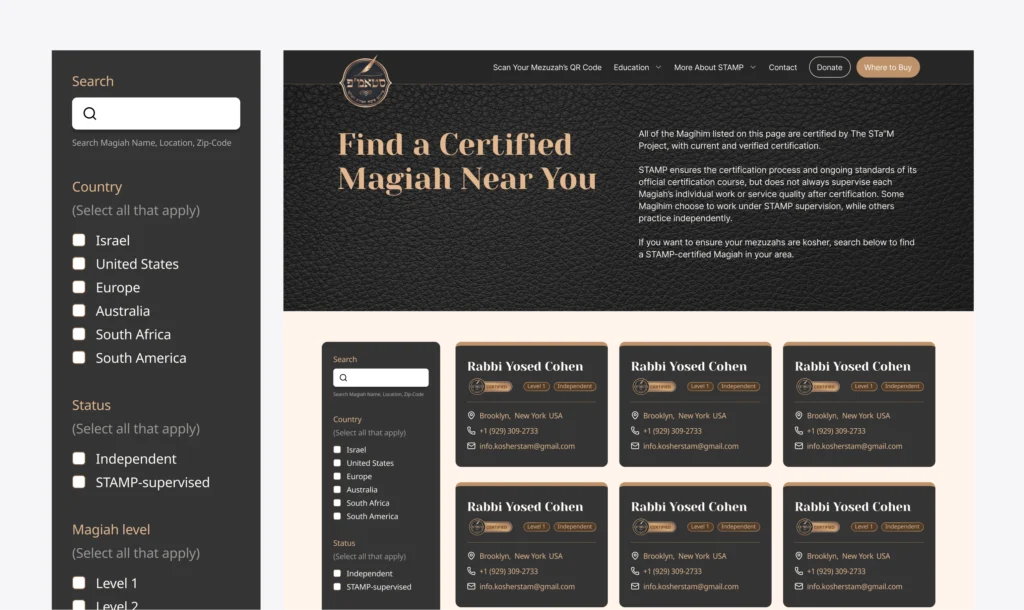
The final approved design combines the strengths of the directory and filter-driven concepts, resulting in a layout that is both easy to use and highly functional.
The design places filters in a persistent left sidebar, allowing users to refine their search without disrupting the results view. Users can search by name, location, or zip code while also filtering by country, certification status, and Magiah level. This structure ensures that users can quickly adjust their criteria and immediately see updated results.
Next Steps: SEO & Authority Building
With the core website experience in place, the next phase focuses on SEO and long-term authority building.
STAMP is already gaining recognition within the religious community, and our goal is to strengthen that momentum by positioning STAMP as the most trusted online authority on everything related to STa”M.
Using our keyword trees and search intent research, we are building a strategic content program focused on answering the questions people already search for online—especially around mezuzahs, STa”M certification, inspection, and authenticity.
By publishing clear, educational blog articles that match user intent, we aim to ensure that when someone searches anything about mezuzahs or STa”M, they encounter STAMP’s content first.
This approach helps educate the public while establishing STAMP as the leading and most trusted source of information in the space.
Results & Impact

From Introduction to Institution
The transformation of STAMP’s digital presence was structural, strategic, and operational.
A single-page lander has evolved into a multi-layered institutional platform. Education is systematized. Verification is integrated. Professional training is automated. Seller visibility is structured and neutral. Operations are formalized and scalable.
More importantly, the platform now aligns with the weight of the mission it carries.
Users encounter clarity instead of density. Professionals engage with structured pathways instead of scattered resources. Administrators manage systems instead of manual processes. Search engines interpret defined silos instead of undifferentiated content.
STAMP’s digital infrastructure now reflects its role within the STa”M world — organized, deliberate, and accountable.
This was not a redesign.
It was the construction of a foundation capable of sustaining religious trust at scale.