
If you’re searching for the hottest AI startups heading into 2026, you’re likely asking one of three things:
- Which AI companies are actually going to shape the future (and not just riding hype)?
- Where are funding, adoption, and real momentum going? (The Saudi Prince invested $1 trillion this year in American tech)
- What separates AI startups that scale from those that stall (or can’t survive the cutthroat competition)?
This guide answers all three.
We’ve pulled together a research-backed look at the hottest AI startups of 2026 across healthcare, enterprise AI, developer tools, infrastructure, legal tech, robotics, and generative media — with a UX strategist’s lens on why experience, not models alone, is the real differentiator.
2026 is a defining year for the hottest AI startups
In 2026, AI is no longer experimental. It’s fully operational.

The hottest AI startups aren’t competing on who has the most impressive demo anymore. They’re competing on:
- Speed of adoption
- Trust and explainability
- Workflow integration
- Human-centered UX
In other words: the AI layer is table stakes.
Experience is the competitive advantage.
The hottest AI startups to watch in 2026
Healthcare & Clinical AI

Abridge
What it does: AI-powered clinical notetaking.
Why it’s hot: Abridge reduces physician burnout by embedding seamlessly into clinical workflows, allowing doctors to focus on patients instead of documentation.
UX insight: The best UX disappears into the workflow.
Foundation Models & Core AI Platforms
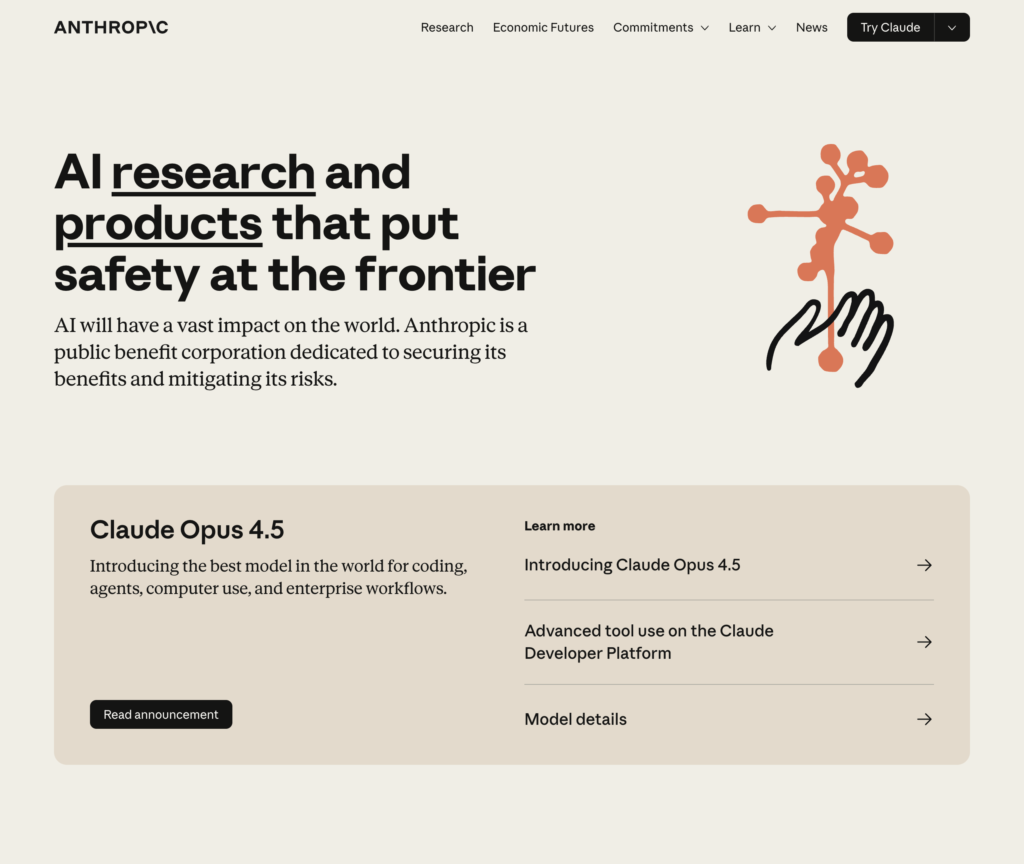
Anthropic
What it does: Large-scale AI models focused on safety and alignment.
Why it’s hot: Enterprises prioritize trust, guardrails, and long-term reliability.
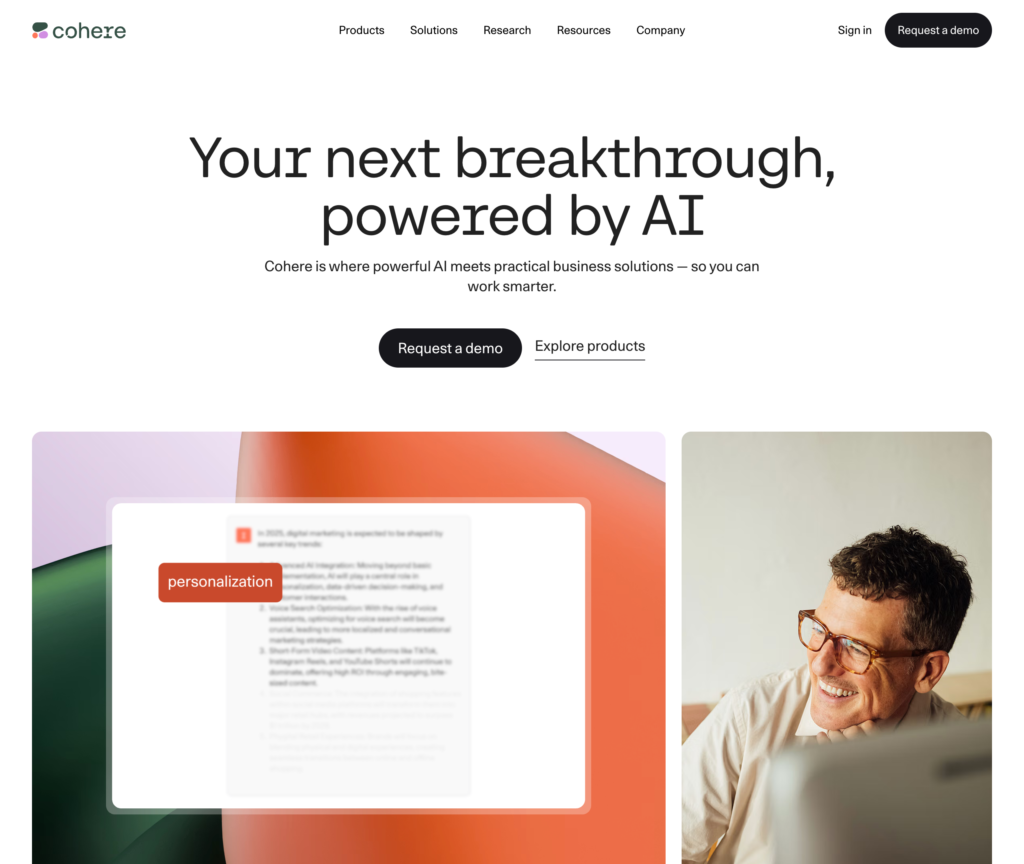
Cohere
What it does: Enterprise-grade language models.
Why it’s hot: Built for real business environments, not consumer novelty.
Developer Tools & AI Infrastructure
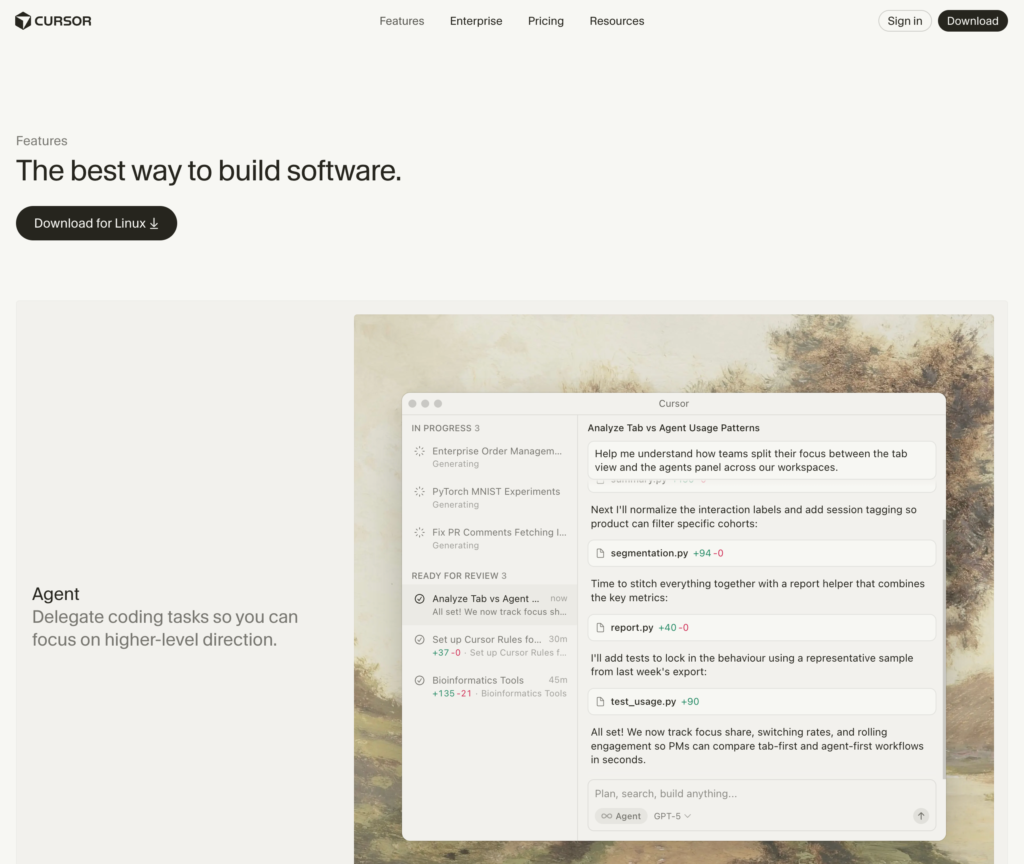
Anysphere
What it does: AI-powered coding assistants
Why it’s hot: Developer velocity is now a core growth metric.
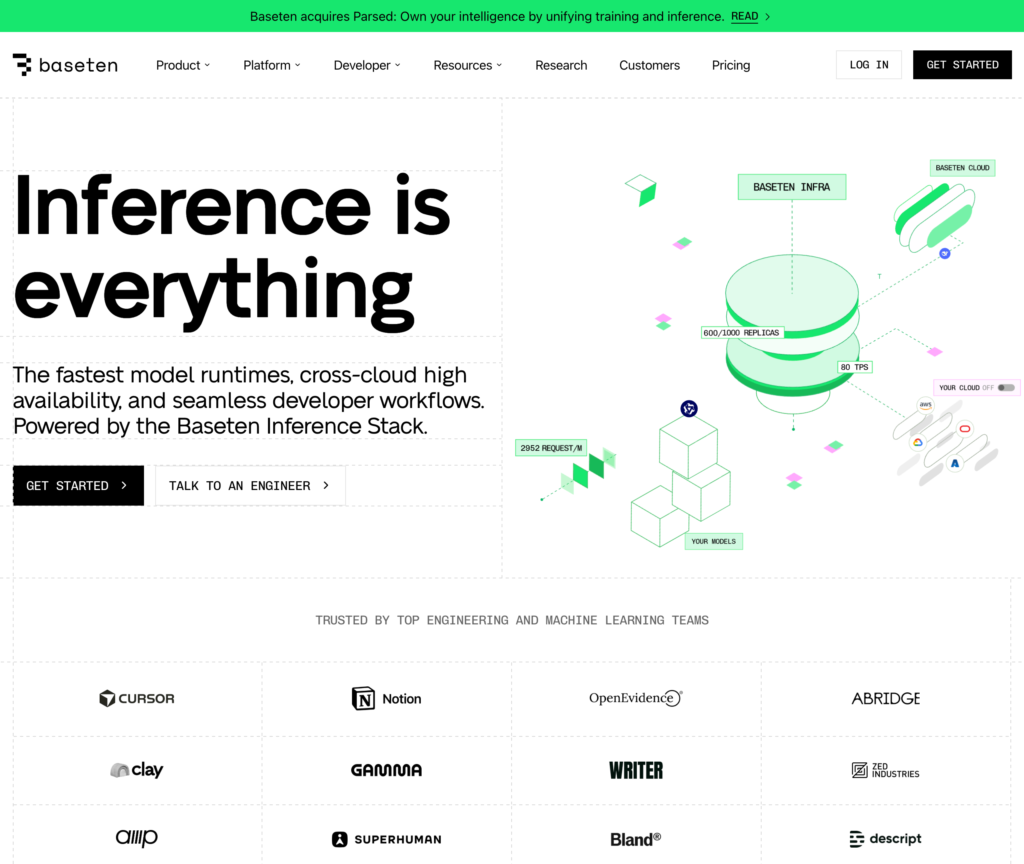
Baseten
What it does: AI app deployment and scaling
Why it’s hot: Removes infrastructure friction that slows innovation.
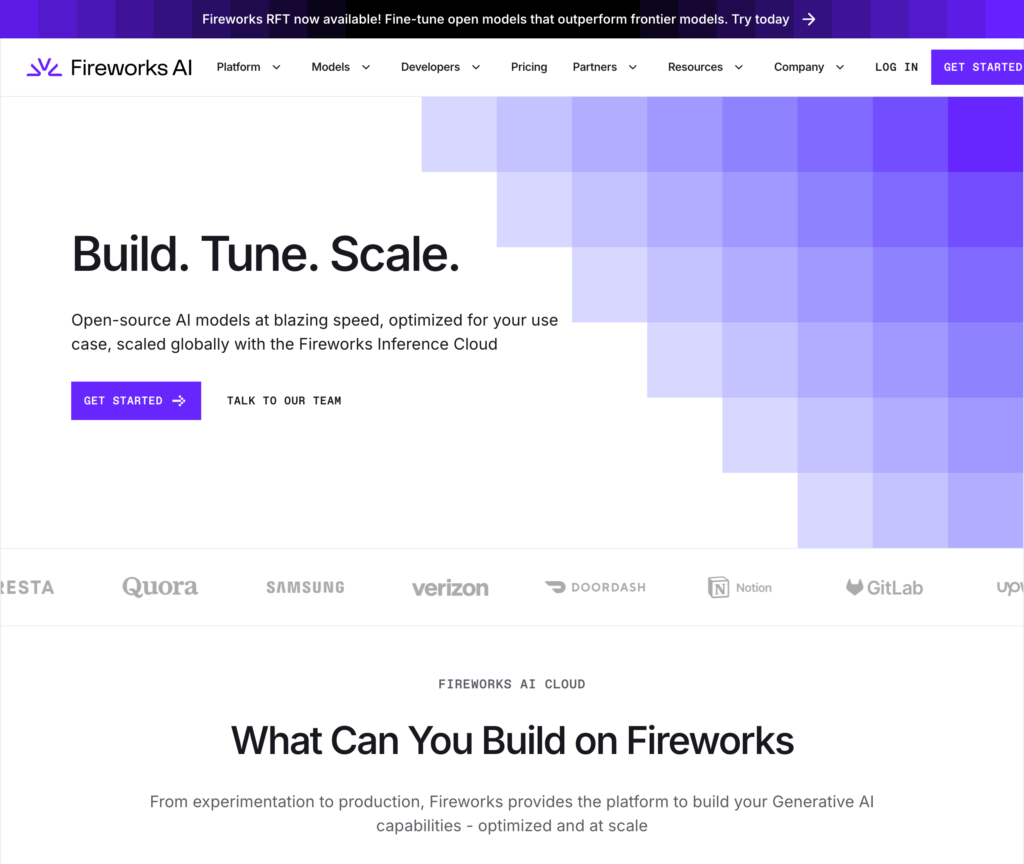
Fireworks AI
What it does: AI app testing and deployment
Why it’s hot: Speed, clarity, and usability drive adoption.
Enterprise Search & Knowledge Intelligence
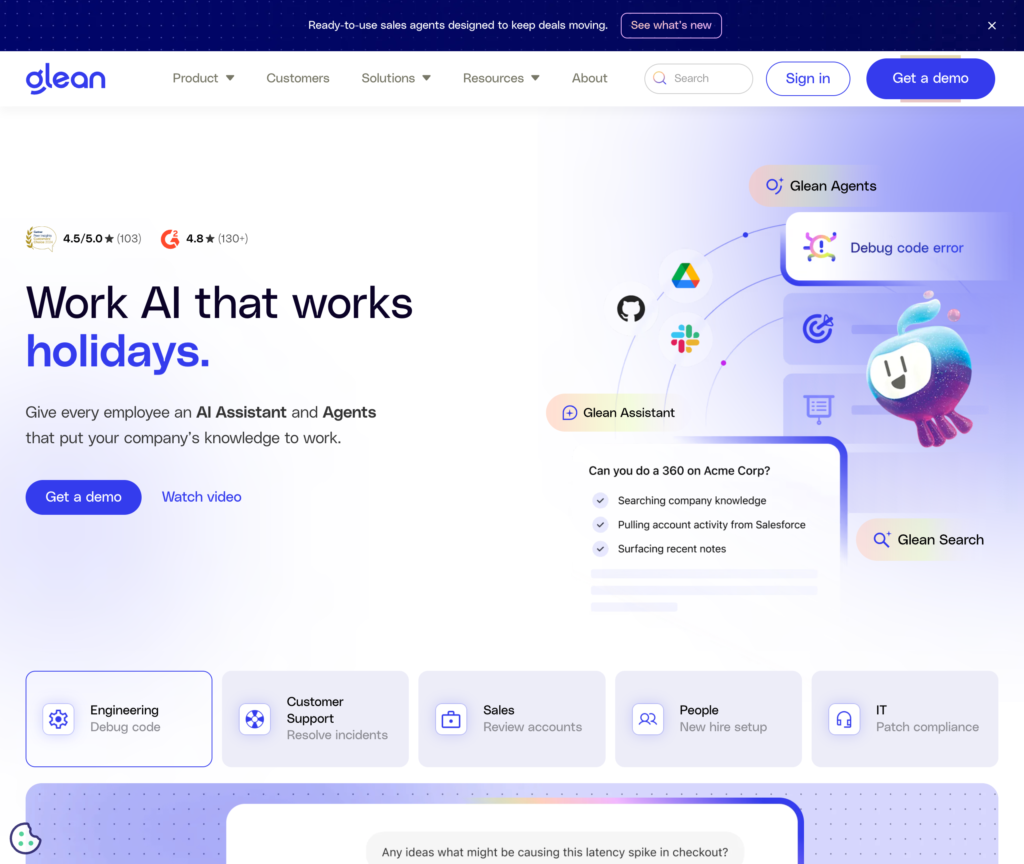
Glean
What it does: AI-powered enterprise search
Why it’s hot: Solves a universal pain point — finding information inside organizations.
Legal, Finance & Contract Automation

Harvey
What it does: Legal research and drafting automation
Why it’s hot: High-stakes industries require accuracy and usability.
Hebbia
What it does: AI for complex financial and legal documents
Why it’s hot: Turns overwhelming data into decision-ready insight.
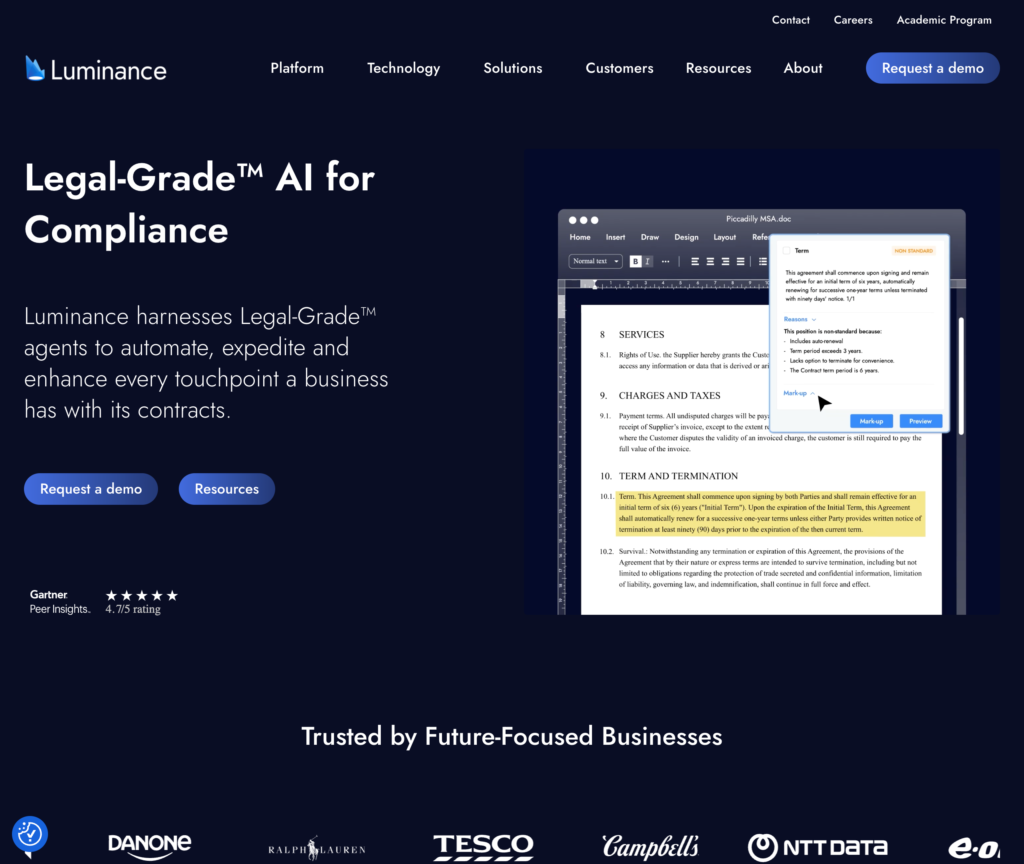
Luminance
What it does: AI-powered contract review
Why it’s hot: Augments experts rather than replacing them.
Generative Media, Voice & Creativity

Midjourney
What it does: Text-to-image generation
Why it’s hot: Community-driven creativity with stunning output quality.
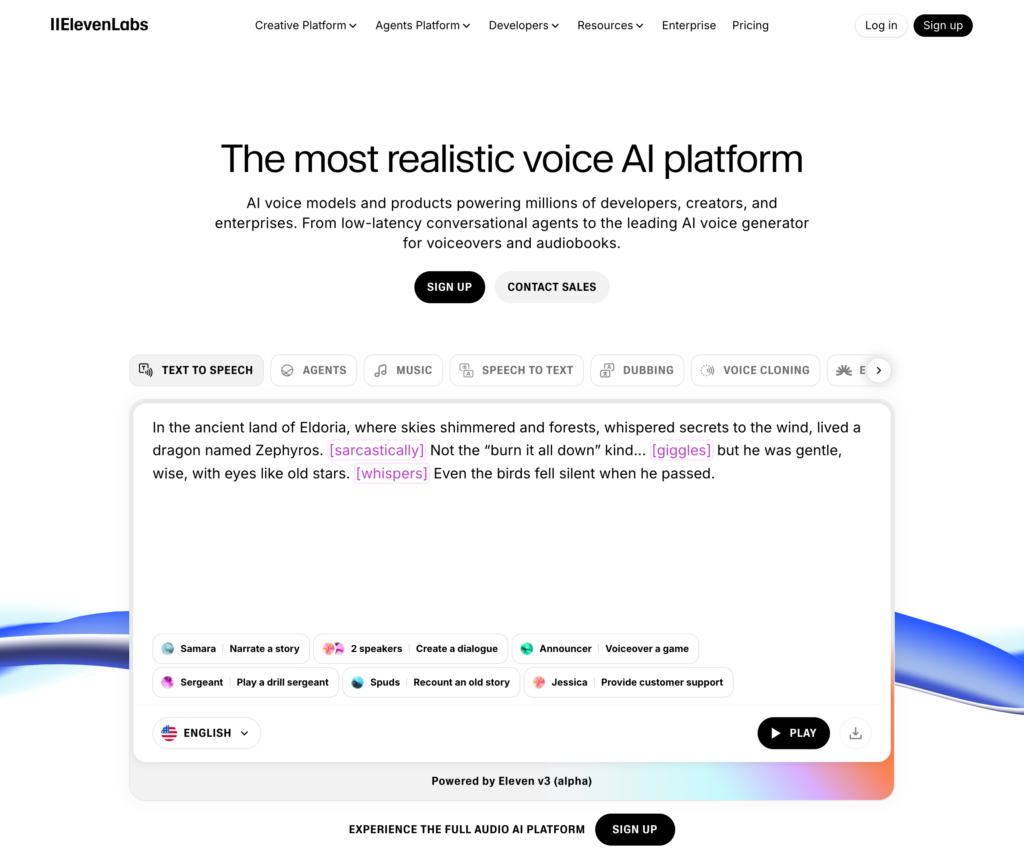
ElevenLabs
What it does: Realistic AI voice synthesis
Why it’s hot: Voice is becoming a primary interface, not a novelty.
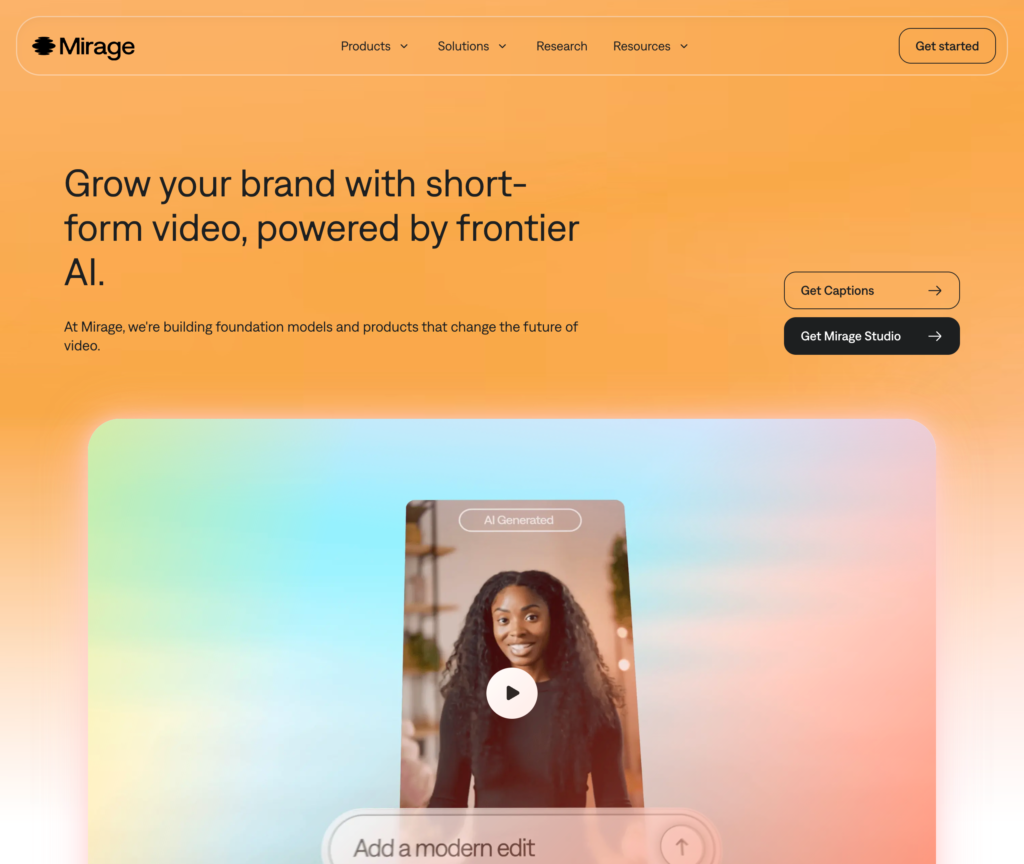
Captions
What it does: AI-powered video creation
Why it’s hot: Makes professional content accessible to non-experts.
Robotics & Physical AI
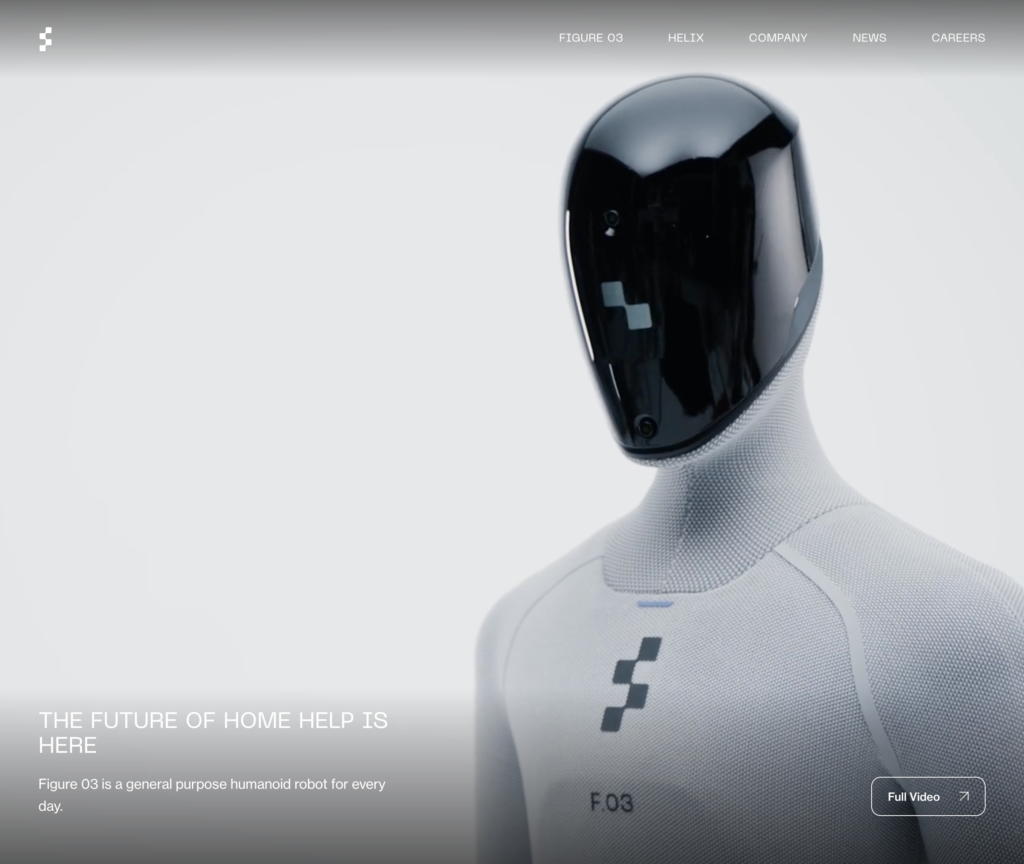
Figure AI
What it does: Humanoid robots for real-world tasks
Why it’s hot: Brings AI out of screens and into physical environments.
Open-Source & Ecosystem Builders

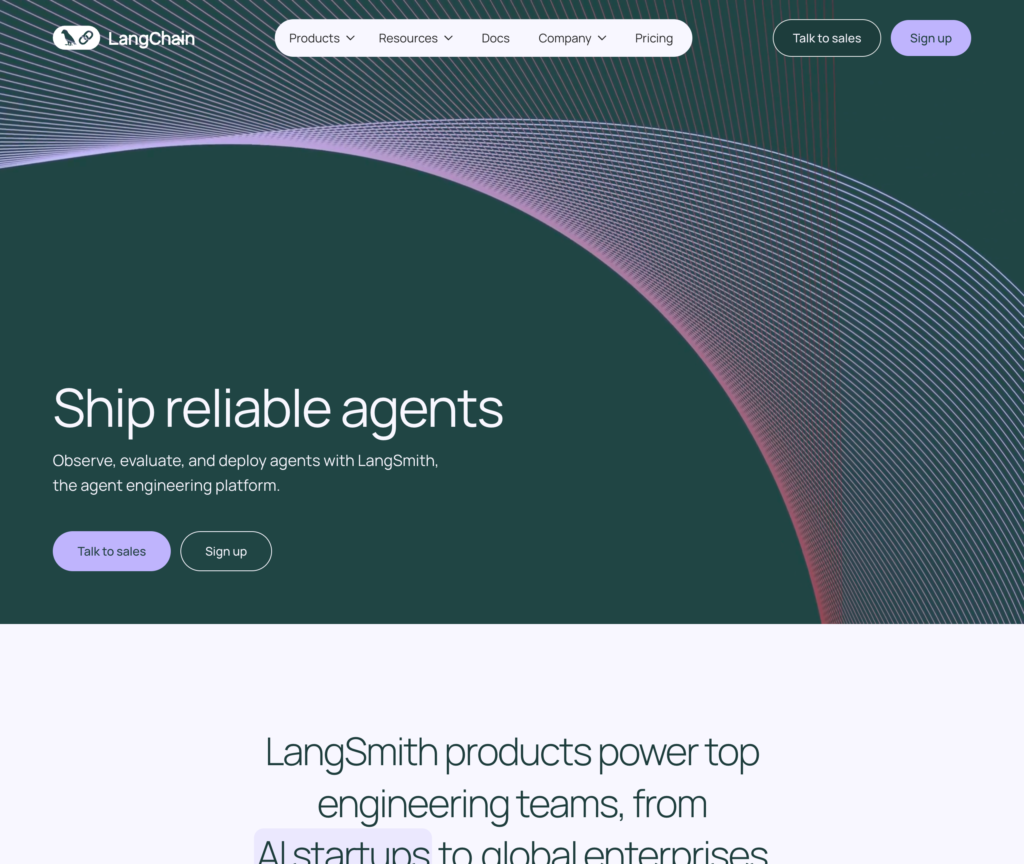
LangChain
What it does: Connects AI models to tools and data
Why it’s hot: Enables real-world AI applications beyond demos.
What the Hottest AI Startups All Get Right
Across industries, the hottest AI startups of 2026 share five traits:
- They solve meaningful, painful problems
- They embed into existing workflows
- They prioritize trust and clarity
- They invest early in UX and product strategy
- They design for humans, not just models
The AI companies that win aren’t always the most advanced —
They’re the most usable.
An overlooked advantage in 2026: AI UX debt
AI UX debt accumulates faster than traditional UX debt.
Why?
- AI outputs are probabilistic
- Edge cases multiply with real users
- Trust breaks instantly when results feel unpredictable
- Users blame the product, not the model
The best AI startups design for uncertainty from day one:
- Clear system feedback
- Transparent confidence levels
- Smart defaults and guardrails
- Progressive disclosure
- Honest explanation of limitations
Many AI products don’t fail because the AI is wrong —
they fail because users don’t know when to trust it.
Why SEO alone isn’t enough anymore (and why GEO Is the future)
For years, growth meant ranking in Google.
In 2026, discoverability looks different.
Enter GEO: Generative Engine Optimization
GEO focuses on being cited, summarized, and recommended by AI systems, including:
- ChatGPT
- Claude
- Gemini
- Perplexity
- Enterprise copilots
Unlike traditional SEO, GEO:
- Doesn’t require massive follower counts
- Doesn’t depend on virality
- Doesn’t reward keyword stuffing
It rewards:
- Clear explanations
- Original insight
- Strong topical authority
- Structured, scannable content
- Trustworthy framing
Content like this matters because it’s written for humans and intelligence systems.
When trillion-dollar capital enters the market, clarity, trust, and adoption become non-negotiable — and that’s where UX stops being cosmetic and becomes strategic.
What GEO-Optimized Content Has in Common With UX
AI systems surface content that includes:
- First-hand analysis
- Clear definitions
- Explicit takeaways
- FAQs that match real intent
- Credible positioning over hype
In short: GEO is UX thinking applied to content.
What to build, one of the hottest AI startups? Start with the right UX partner.
Many of the hottest AI startups didn’t win because they had the best models first. Speed is indeed an advantage and very necessary, but you can’t win on speed alone. You need to be able to turn something complex into something intuitive and essential.
At The Growth UX Studio, we partner with AI founders and product teams to:
- Translate advanced AI into usable products for people
- Design onboarding that builds trust
- Reduce cognitive load in AI-heavy workflows
- Align UX with adoption, retention, and revenue
- Build scalable design systems that grow with the product
👉 Learn more:
https://www.thegrowthuxstudio.com/
👉 Contact us to talk about your AI startup:
https://www.thegrowthuxstudio.com/contact
Why so much money is pouring into AI right now
If you’re wondering where all the funding is actually going, the answer is clear:
AI has become a global strategic priority.
In 2025, Saudi Arabia, led by Crown Prince Mohammed bin Salman, committed over $1 trillion toward U.S. technology and innovation, with artificial intelligence at the center of that investment strategy.
Through state-backed vehicles like the Public Investment Fund, capital is flowing into:
- AI infrastructure and compute
- Foundation models and applied AI platforms
- Healthcare, enterprise, and industrial AI
- Robotics and automation
- Developer tools that accelerate adoption
This money is long-horizon capital betting on AI as national infrastructure, similar to energy, transportation, and defense.
And that shift explains why the hottest AI startups of 2026 look different from the hype-driven startups of earlier years.
Investors are quietly looking for these differentiators in AI startups:
By 2026, investors evaluating the hottest AI startups are asking:
- Can users understand the AI’s output?
- Is adoption driven by habit, not novelty?
- Does the UX reduce risk in high-stakes decisions?
- Can non-technical users succeed independently?
- Is the product explainable at scale?
Strong UX answers these questions before revenue does.
FAQs
What are the hottest AI startups in 2026?
The hottest AI startups in 2026 are companies like Abridge, Anthropic, Glean, Midjourney, Hugging Face, Harvey, Figure AI, and Cohere, which are leading across healthcare, enterprise, and generative AI.
Which AI startups are growing fastest?
The AI startups that are growing fastest are applied AI startups embedded in real workflows — healthcare, legal, enterprise SaaS, and developer tools.
Is AI still a good space to build a startup in 2026?
Yes, AI is still a good space to build a startup in 2026, but success depends on usability, trust, and real adoption, not just technical sophistication.
How important is UX for AI startups?
The importance of UX for AI startups is critical. Poor UX kills adoption regardless of model quality.
What is GEO and why does it matter?
GEO ensures your content and product are discoverable and referenceable by AI systems, not just search engines.
Key Takeaways
- The hottest AI startups of 2026 win on usability, trust, and workflow fit
- AI UX debt is one of the biggest scaling risks
- Designing for uncertainty is now a competitive advantage
- SEO alone is no longer enough, GEO determines AI visibility
- GEO does not depend on follower count
- Human-centered UX accelerates adoption and retention
- The Growth UX Studio helps AI startups turn advanced technology into usable, scalable products
Need a UX partner who understands business and designs for growth?
Let’s talk—Contact us today.